Categorieën
AI beleggen crypto technologie

Zuckerberg Pays $100 Million Salary Per Programmer Because AI Disappoints

Welcome to the hundredth edition of this newsletter. This personal milestone is not a time for nostalgia, so I do not want to look back extensively, but draw a few conclusions about what has changed in the world since the first newsletter. From the dominance of AI and the maturation of crypto to the geopolitical power of chips: this edition is a snapshot and a look ahead. Because I obviously have the pretension to be able to make a few predictions that we can laugh about in edition 200.

Topics in this anniversary edition:

  • AI is everywhere – mediocre to bad
  • Crypto especially popular as… IPO
  • Techbros are getting more and more annoying
  • From Silicon Valley to the world
  • AI via LLMs more like a Swiss army knife than a new steam engine
  • Microsoft believes in OpenAI for its own revenue and market value
  • Why Most AI Companies Will Be Acquired
  • Crypto from alternative money to ‘enabling layer’
  • Regulation of AI is inevitable
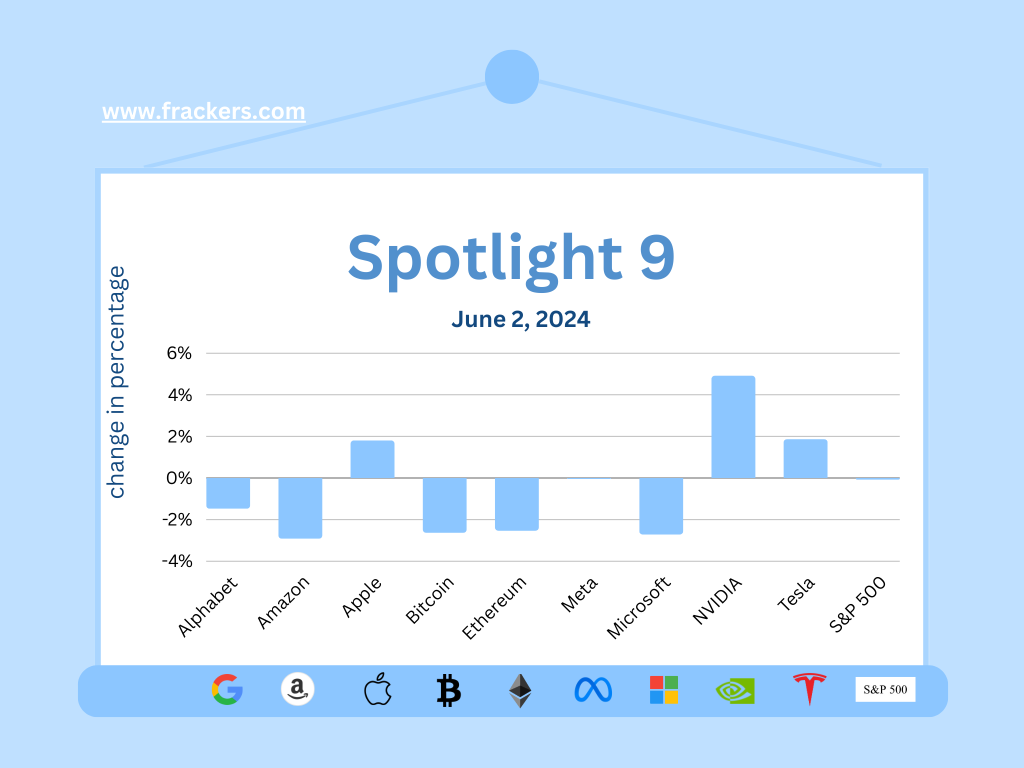
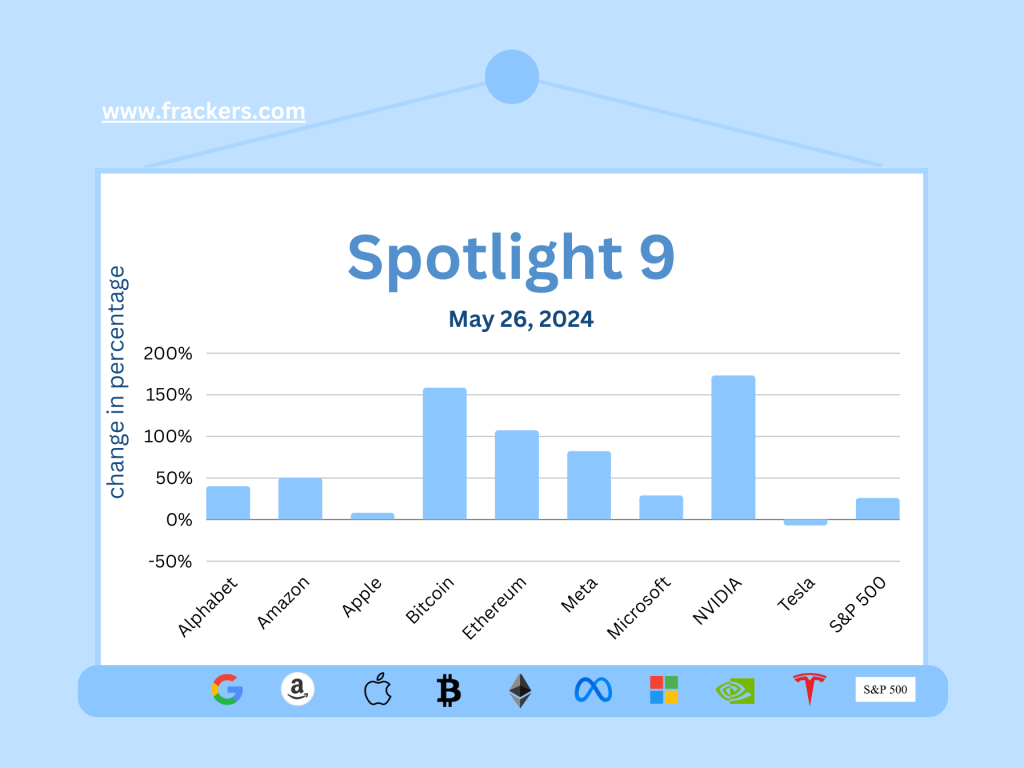
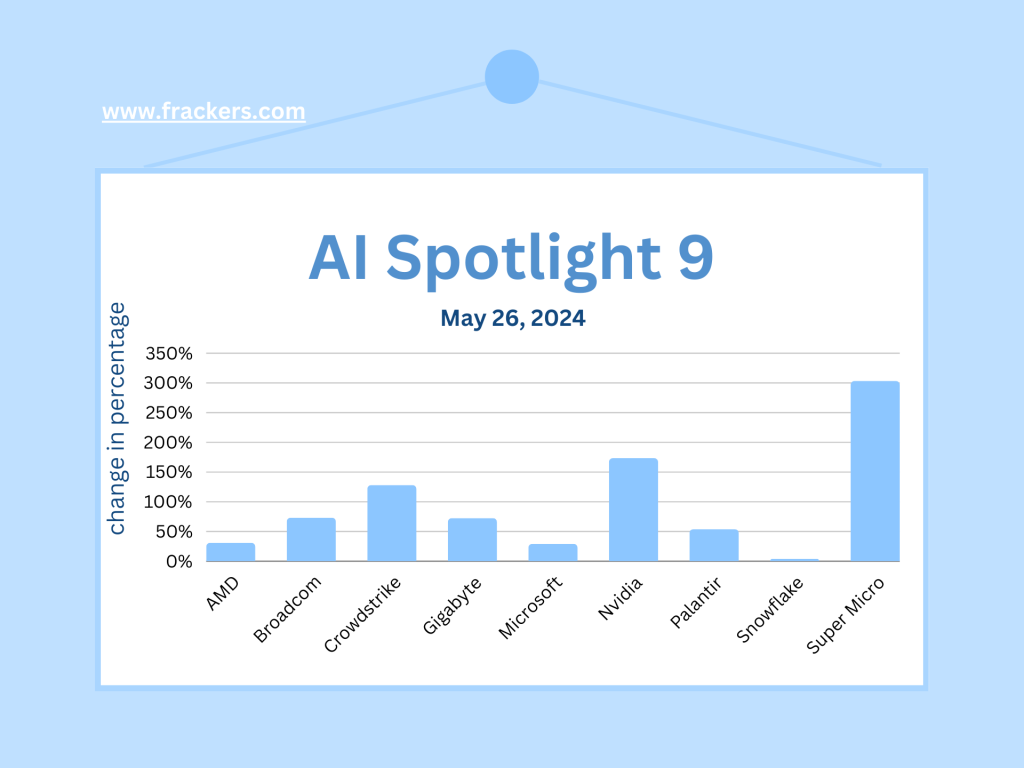
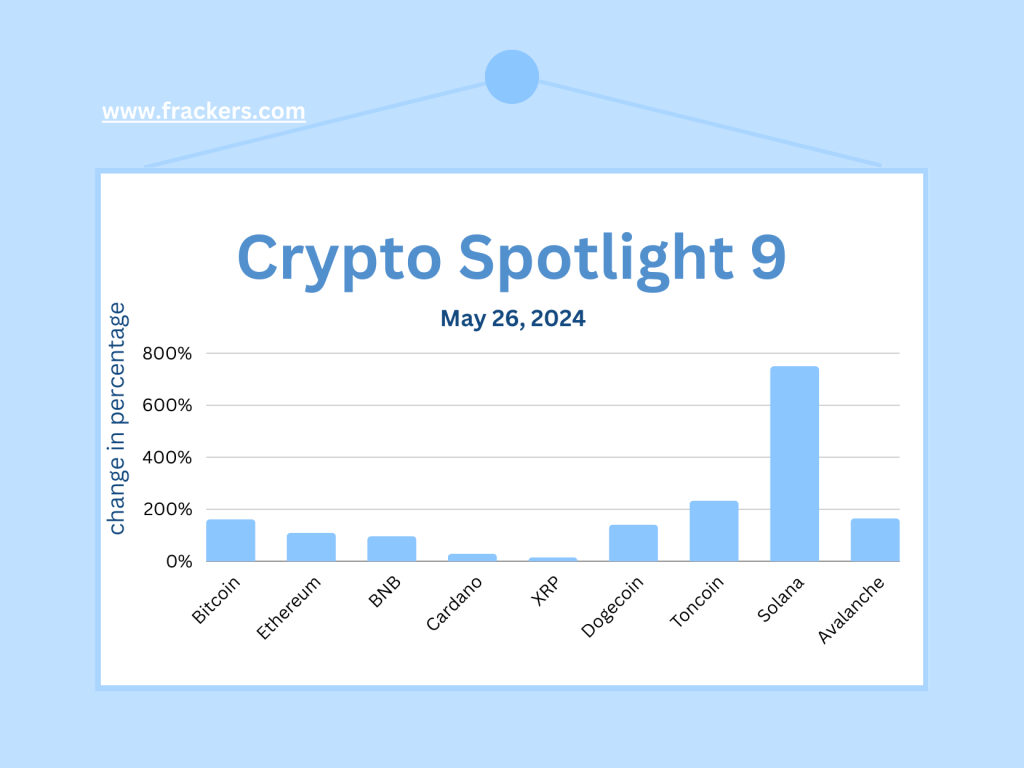
The rise of Nvidia and Bitcoin in the last five years is in line with expectations for AI and crypto.

1. AI is everywhere – mediocre to bad

This is not exactly a shocker: in 2022, AI was still something for developers, exotic startups and research institutes, but in 2023 everything changed with the introduction of ChatGPT, which attracted hundreds of millions of users in record time. What happened with the internet in the nineties and smartphones in the last twenty years, has been happening with AI since then; only faster. Precisely because the internet and smartphones have made the use of AI extremely accessible.

At the same time, effective use of AI is lagging far behind expectations. Various studies show that the business community in particular is struggling with the question of how AI can be used practically and usefully. At the moment, the business use of AI is in such a sad state that the most common response to this newsletter is: ‘you clearly don’t write it with AI.’ In other words; texts written with AI are clearly recognizable as clichéd and impersonal. Everyone has that colleague who ends every second sentence – with that annoying hyphen at the end. Anyone who still uses ‘let’s delve deeper into this’ or ‘let’s explore’ identifies as a ChatGPT junkie.

MIT recently published an excellent study confirming what was widely feared: the current generation of AI tools is making people dumber . People who wrote without AI-tools used their brains the most. People who used AI were less active with their minds, remembered less, and felt less engaged with their own text. They were also less able to explain what they had written themselves. AI makes writing easier, but in the long run it turns out to be bad for learning and thinking skills.

2. Crypto now a serious investment class – especially as an IPO

Anyone who has been reading this newsletter from the beginning has witnessed Bitcoin’s rise from $15,000 to well over $ 100,000 . I don’t give investment advice – it’s no coincidence that my podcast with Dr. Nisheta Sachdev is called NFA : Not Financial Advice – but it’s still remarkable that Bitcoin has risen by more than 500% in those few years. For crypto freaks, it’s hard to accept that Nvidia stock did much better in the same period, or that even Microsoft outperformed the number two in crypto, Ethereum.

But apart from the undeniable financial return, I blame myself for apparently not having succeeded in making clear why blockchain applications, with cryptocurrencies as the most well-known manifestation, are so fascinating. The core of blockchain lies in two aspects in my opinion: first of all, decentralization, the absence of a central link that can control an ecosystem.

A good blockchain doesn’t have a Bezos or Zuckerberg as a tsar on the throne. Bitcoin is the best example of that, because nobody even knows who its founder is. The system works on the basis of the second fascinating aspect of blockchain: smart contracts.

These programmed agreements completely exclude the intervention of an intermediary. No notary who does ‘copy and paste’ on a deed twice for a few thousand bucks. This allows the number of frictionless transactions in blockchains to easily multiply.

Granted, the number of good blockchain applications outside of finance has been too limited so far, and speculation on nonsense like memecoins has even earned the US president a billion . But for those who doubt the importance and growth of crypto, I would like to point you to the excellent page of investment firm Andreessen Horowitz entitled ‘5 charts that explain crypto right now .’ Don’t believe me, but investigate why the investor behind Facebook, Twitter, Airbnb, Instagram, Skype, Slack and Pinterest has also invested so much in crypto exchange Coinbase and dozens of other crypto companies.

How ironic that crypto IPOs will be the hottest investments on Wall Street by 2025. Or, as Barron’s puts it, “Circle Stock Went Gangbusters. Crypto IPOs Are the Next Big Thing.”

The new darling of Wall Street: crypto companies. Go figure.

3. Techbros are obnoxious

Elon Musk has been mentioned no less than 47 times in 100 newsletters. From his takeover of Twitter to Grok’s tendency to use a photo of a dog show to draw attention to alleged white genocide in South Africa: Musk is the most reliable source for content you can’t make up. But I continue to argue for judging the man on his work, not on his extracurricular activities.

OpenAI CEO Sam Altman is the second most mentioned in this newsletter after Musk (39 mentions), but the fact that his name has yet to be preceded by a job title indicates the limitations of his fame. Altman does everything he can to profile himself as the messiah of the AI era, but apparently has little historical awareness about how things usually end for a messiah. From announcing the $500 trillion Stargate project in the Oval Office to a $3 million video of himself drinking coffee, Altman is constantly on everyone’s nerves.

There are now two excellent books that have been published in which Altman’s dubious character is extensively discussed. Mark Zuckerberg is more slippery than an eel in a bucket of snot immersed in a barrel of motor oil in a bathtub full of green soap, but if you let Sam Altman look after your house for a weekend, don’t be surprised if, when you return, your house has been sold, the proceeds are in Altman’s account and he assures you that you are happier with less possessions and that the world will be a better place because of it.

4. From Silicon Valley to the world

Coverage of technology and innovation has evolved from Silicon Valley to the rest of the world, from Abu Dhabi as a possible home to the world’s largest AI data center, to Singapore testing AI applications with South Korea and China with the surprising DeepSeek. Every politician understands that the country that masters AI and ‘compute’ (data centers) can become a global power.

Technology is now at the heart of geopolitics, from chip restrictions on China to subsidy races for AI startups. The growing importance of technology is creating a kind of cross between a mating dance and a strangulation between governments and tech companies: Nvidia and ASML can’t export to China without permission from Trump and whoever is in charge of the Dutch government; but at the same time, Trump can’t do without tech companies’ donations to the Republican Party, and the Dutch economy needs to innovate to keep growing. Musk saw through this mutual dependency and donated himself into a position of power within the US government, if only for a short period of time.

Whoever owns the computing power, the data centers, and the chips, has the power. Europe is lagging behind, China wants to become an independent superpower and the US dominates the top. Tech is no longer an industry, it is the core infrastructure of everything that keeps society running, from healthcare to defense and everything in between.

The predictions

So much for the analysis of where we are at the moment. These are conclusions and predictions for the period during the next hundred editions of this newsletter:

1. AI via LLMs more like a Swiss army knife than a new steam engine

The smokescreen raised by people like Altman suggests that LLMs like ChatGPT and DeepSeek will be as fundamental as the internet. The reality is different. LLMs are impressive at times, but they continue to fall short despite hundreds of billions of dollars invested. From a cost perspective, the current generation of LLMs is a digital equivalent of taking a shower with a hundred dollar bill, tearing it up and hoping that some of it will remain lying on top of the drain.

Current LLMs increase productivity, but do not create new network effects. It is still not proven that a billion users of ChatGPT generates a better product than a million users. Compare that to social media, where the value for each user increases with each new user.

The current generation of LLMs has no clear defensible competitive position, which the Americans so nicely describe as a moat. (I always have to chuckle that Americans have a specific word for this concept that European languages do not have, while the US has no castles or moats, unless you count Disneyland.)

The big LLMs OpenAI, Claude from Anthropic, Google Gemini, DeepSeek, Mistral and Meta’s Llama all have different target audiences rather than fundamentally different approaches or quality. Ethan Mollick has created a nice overview of this.

If the much-discussed AGI (Artificial General Intelligence) or much-vaunted Superintelligence emerge in the next decade, it won’t come from the continued scaling of LLMs or LRMs. The difference between LLMs, which provide an immediate answer based on pattern recognition, and LRMs, which reason step by step before providing an answer, is used by AI prophets like Sam Altman as evidence that this methodology will quickly lead to AGI or Superintelligence. But Apple and Microsoft think very differently.

What Apple writes about AI is more important than what it does

A few weeks ago, a group of Apple employees published a much-discussed study showing that the new generation of LRMs perform no better than regular AI on simple tasks, show advantages at moderate difficulty, but fail completely on very difficult problems. They also showed that they do not use clear calculation rules and sometimes reason contradictorily. The study shows that these models think differently than widely believed and raises fundamental questions about how well they can really reason.

The AI mob went completely berserk and pointed the finger at the sender, just because Apple has failed so far with its own AI applications. But that doesn’t make the analysis and conclusion any less correct. Then it got really fun: on X, all sorts of self-proclaimed AI experts cited a study by a certain C. Opus and A. Lawsen, which supposedly showed that Apple’s research was completely flawed.

Small problem: it wasn’t a real study, but a joke by Alex Lawsen that Anthropic’s Claude had used to make up some rebuttals to Apple’s study. Nicholas Thompson of The Atlantic makes a great point about how ridiculous it is that AI experts don’t realize they’re citing a fake study created with AI without actually understanding the research itself. This serves to underscore my first point in this newsletter: AI is being used everywhere — and mostly badly. (See, one can use that – at the end of a sentence without ChatGPT).

2. Microsoft believes in OpenAI for its own revenue and market value

Skepticism about the AI industry is not only prevalent at Apple, but also at Microsoft, which is one of the biggest players in this exploding sector. Microsoft owns, among other things, 49% of the shares in OpenAI, which, under the leadership of Sam Altman, wants to reform its structure into a traditional commercial company in order to attract new investors and retain top staff, more on that later.

Microsoft has invested more than $13 billion in OpenAI and in return will receive, in addition to the 49% equity stake, as much as 75% of OpenAI’s profits until the $13 billion is recouped, followed by 49% of OpenAI’s profits up to a maximum of $92 billion.

In addition, Microsoft will receive as much as 20% of the revenue that OpenAI generates through the Microsoft Azure platform until 2030, although that percentage may decrease over time. Once the agreed profit cap is reached, all future profits will remain with OpenAI.

OpenAI wants to relax those conditions in order to gain more commercial freedom itself. At the same time, OpenAI is in a hurry: if the restructuring is not completed before the end of 2025, promised investments, such as the often-mentioned injection of $30 billion from SoftBank, among others, could expire or be converted into debt.

In addition to the financial agreements, Microsoft has major strategic advantages from the deal with OpenAI, which is required (!) to run all of its models on Microsoft Azure, which generates billions in cloud revenue for Microsoft. Microsoft also has an exclusive license to OpenAI’s technology and is allowed to integrate it into its own products such as Copilot, GitHub and Bing. Through the Azure OpenAI service, Microsoft is also allowed to resell and sublicense the models to third parties.

Count with us: Microsoft grabs $2.3 trillion market cap on OpenAI?

Sam Altman is negotiating with Microsoft without many cards in his hand. Because although Microsoft’s 49% stake in OpenAI theoretically has $147 billion in value at OpenAI’s $300 billion valuation, a simple calculation shows that the current revenue and profit agreements yield Microsoft much more.

Microsoft will receive up to $92 billion in profit sharing from OpenAI, which, given Microsoft’s staggering net margin of 37.7%, equates to $34.7 billion in net profit. Given that Microsoft is valued on the stock market at a P/E ratio of 31.6, that profit translates to over $1 trillion in additional market value. The use of Azure, the exclusive licenses, and the profit sharing make the deal much more valuable to Microsoft than just an equity stake.

Things get even more exciting for Microsoft if OpenAI lives up to Altman’s rather megalomaniacal revenue projections. Based on OpenAI’s projection of $125 billion in revenue by 2029, Microsoft could generate $73.5 billion in profit from that alone. This includes a 49% share of OpenAI’s profits (up to a maximum of $92 billion), 20% of revenue from Azure sales, and profits from OpenAI’s use of Azure infrastructure with a 30% margin.

This substantial annual profit contribution could significantly increase Microsoft’s valuation. Multiplying the $73.5 billion by Microsoft’s current price-earnings ratio of 31.6 would potentially add trillions to Microsoft’s market value.

For those interested: especially for this 100th edition, I asked Google Gemini to calculate exactly what the deal with OpenAI will yield in market value for Microsoft, based on OpenAI’s revenue forecasts and the current agreements with Microsoft. The answer: 2.3 *trillion*. The entire Google Doc explaining how Gemini arrived at this figure is here.

For comparison, Microsoft’s current market cap is $3.55 trillion. Compared to a simple 49% equity stake in OpenAI at a $300 billion valuation (which would generate $147 billion), the current multi-tiered partnership creates significantly more value for Microsoft.

Microsoft CEO Satya Nadella can sit back and relax while Altman has to share all of OpenAI’s crown jewels with Microsoft. In all cases, Microsoft benefits most from the potential value creation.

3. Most AI companies will be acquired because they lack a structural competitive advantage

OpenAI, Anthropic, Mistral, xAI: many differences in approach, but few in structural advantages. No one has monopolies on datasets, chips or architectures. Therefore, there is little chance of dozens of independent AI companies in the long term. Meta, Amazon, Google, Microsoft and Apple will acquire the best. The largest sub trillion market cap tech companies (Oracle, Salesforce) will also look to acquisitions to expand their AI product range.

Anyone who still wants to become a horizontal AI platform is probably too late. Unless a fundamentally different path is taken than LLMs, as seems to be the idea behind the new startups of former OpenAI executives Ilya Sutskever and Mira Murati.

Zuckerberg Pays $100 Million Salaries Out of Despair

Murati’s Thinking Machines Lab (with that nice website ) raised $2 billion from investors this week , at a valuation of $10 billion. Mark Zuckerberg tried to buy the product-less company SSI (click to see what’s apparently cool in Silicon Valley now) from Murati’s ex-colleague Ilya Sutskever for $32 billion and when that didn’t work out, Zuckerberg bought the CEO.

Zuckerberg seems to acknowledge that his current strategy of building a competitor to OpenAI with Llama has failed and is following the strategy he successfully used before: throwing money around to build things he can’t develop himself. The rumors about a $100 million signing fee for top developers appear to be untrue: it’s ‘just’ salary.

Zuckerberg bought 49% of Scale for $14.3 billion to lure in another top AI talent in the person of 28-year-old Alexandr Wang. The billions in investments in companies of a few founders and the millions in salaries for developers show that the difference in AI is made by individuals. There is no AI company with a competitive advantage. There is no economy of scale. That is why Altman is trying to make a difference with the $500 billion Stargate based on capital, but that is science fiction.

So there won’t be ten or twenty AI companies that are worth hundreds of billions, which is necessary to recoup all the billions invested in AI in recent years. Investors and AI entrepreneurs will often play it safe and, when the music in this musical chairs stops playing, sell as quickly as possible to a liquid party such as a listed tech company. Microsoft will once again be one of the big winners.

4. Crypto shifts from ‘alternative money’ to ‘enabling layer’.

The ideological promise of crypto as a replacement for banks has not disappeared, but it has become subordinate to practical applications. The focus is now on RWA (Real World Assets), gaming, identities and infrastructure. Layer 2 solutions, stablecoins and low-fee chains enable microtransactions and on-chain applications.

Blockchain applications will also increasingly be used in supply chain management, the least sexy sector on earth, but where fraud-free control of the origin of goods is becoming increasingly important.

5. Regulation of AI is no longer a question, but a necessity.

Social media proved that tech companies cannot regulate themselves. The damage to mental health, polarization and disinformation is enormous. With AI, the risk is even greater, because it is more scalable and less visible. Regulation is slow in coming, but it is inevitable.

The question remains simple: would you trust people like Bezos, Altman, Zuckerberg or Musk to take of your dog for a weekend? If not, would you give them free rein to introduce global, potentially society-disrupting technology? Social media has all sorts of incredibly positive and fun implications, such as keeping in touch with friends and family or like-minded people. But no one can deny that the rise of social media has proven that the tech bros can’t handle their power properly.

Regulation of AI is therefore no longer a question, but an absolute necessity. The big question becomes: how?

“Degen Girl vs TradFi Chad guy”: Nish & Frackers on the NFA Podcast

Nish Got Rugged

Or: ‘Nish was slow.’ That is the conclusion of episode 19 of the NFA Podcast , in which we discuss various topics that were briefly touched upon in this newsletter. With the emphasis on the word short, because the question is inevitable whether Zuckerberg would be nicer if he were four inches taller. What is it with the short king syndrome?

Madame Sachdev and I will probably never agree on the difference between speculating and investing, but it does lead to stimulating discussions. In which the undersigned won our investment competition this week, with a result of… 2.69%.

Finally

Frackers on Tech began at a time when technology was still often discussed as a separate topic. Technology is now everywhere and inevitable, fully penetrating the capillaries of society. AI, crypto, chips and algorithms increasingly determine how the world functions, how companies compete and countries outdo each other. The next hundred episodes will follow a world that reacts even faster and more intensely to the influence of technology.

Thanks for following, reading and commenting over the years. On to episode two hundred.

Categorieën
beleggen crypto NFA Podcast

NISH GOT RUGGED*        

*In crypto, “getting rugged” (short for rug pulled) refers to a situation where a project’s creators or insiders suddenly and deliberately remove liquidity or value, leaving investors with worthless or severely devalued tokens.

Episode 19 of the NFA Podcast with Nish & Frackers is available here:

And of course on LinkedIn but in two parts, because for some odd reason LinkedIn does not allow videos longer than 15 minutes.

Here is part 1 and here is part 2 of Episode 19: Nish Got Rugged.

Summary

The NFA Podcast’s latest episode, hosted by Nisheta Sachdev and Michiel Frackers, covers recent developments in the crypto and tech world, while also featuring their ongoing trading competition. Nish and Michiel cover a whirlwind of crypto drama, political irony, and market twists.

They start with JP Morgan’s stablecoin launch, a $100M hack in Iran where the attackers burned the funds and BitGet’s partnership with UNICEF to fund girls’ education. Then they discuss Tron’s U.S. IPO following a possible presidential intervention and debate whether the SEC’s crypto probes are justified.

The episode heats up with a breakdown of Microsoft’s strategy to lock in OpenAI revenue while potentially blocking its IPO, and how Meta’s $100M AI sign-on bonuses reflect desperation in the AI arms race.

Nish shares a wild ride on PumpFun, turning $6 into $240 before getting rugged in a gamified token ecosystem that collapsed overnight.

The trading competition updates, personal AI cautionary tales, and a few sharp takes on egos (Trump, Zuck, and crypto bros alike) round out a packed episode.

Final score? Michiel’s steady portfolio beats Nish’s degen bets this week.

Links from this week’s stories

Keywords

NFA podcast, crypto news, market recap, JP Morgan stablecoin, Iran exchange hack, BitGet UNICEF partnership, SEC probe, AI in tech, market volatility, trading competition, Nvidia, Broadcom, Solana, PumpFun

Here are the key takeaways from the NFA S1E19 episode:

            1.        JP Morgan enters crypto (again)

Launching a stablecoin and possibly an ETF, JP Morgan signals deeper TradFi movement into blockchain though the market remains skeptical.

            2.        Iran’s biggest crypto exchange was hacked… and burned

Hackers allegedly discarded $100M in stolen crypto, not stealing it, raising questions about intent, ethics, and collateral damage.

            3.        Tron is going public in the U.S. after a Trump-era pardon

Justin Sun’s project makes a surprising comeback. The hosts question SEC consistency and the political influence behind enforcement.

            4.        BitGet & UNICEF announce a $10M CSR initiative

A rare positive headline: funding education for 300,000 girls globally. But the sudden appearance of an “extra” $100M raises eyebrows.

            5.        Meta’s AI push includes $100M signing bonuses

In its struggle to catch OpenAI, Meta acquires Scale AI but Nish and Michiel argue the money’s better spent elsewhere.

            6.        Microsoft’s real play: revenue, not equity

Satya Nadella blocks OpenAI’s IPO to protect Microsoft’s compute contract and 92B revenue clause, a smarter long-term win than owning 49%.

            7.        Using AI too early weakens your brain

An MIT study shows users who start with LLMs perform worse than those who write first. Nish shares a personal example from university.

            8.        Markets remain jittery but resilient

Despite global conflict signals and political noise, Bitcoin holds strong near 104K. Volatility persists, but dips are absorbed fast.

            9.        Nish gets rugged on PumpFun. Bigly.

Turning $6 into $240 trading gamified country tokens, then losing it all, she learns the old lesson: always take profits.

            10.      Trading comp: Risk vs. Restraint

Michiel’s steady strategy outperforms Nish’s high-volatility bets. They reflect on what makes a smart (or lucky) trader.

Chapters

00:00 – Crypto Chaos Incoming

Nish tees up the big stories: JP Morgan’s stablecoin, a major Middle East hack, Tron’s redemption arc and a wild trading week.

00:55 – JP Morgan Enters the Chat

Nish explains the stablecoin move, ETF rumors and why it signals a shift in TradFi’s crypto posture.

01:30 – Hack & Burn: Iran’s $100M Crypto Ghost

A pro-Israeli group hacks Iran’s biggest exchange and burns the tokens. Ethics, retaliation, and questions of civilian impact follow.

03:19 – BitGet x UNICEF: Finally, Some Good News

A rare feel-good headline: crypto helps educate 300,000 girls. But where did that extra $100M come from?

03:59 – Trump, Tron, and the Big D Energy

Tron goes public after a presidential pardon. What happened to the SEC probe? And why is Eric Trump an advisor?

05:09 – Corruption or Capitalism?

Michiel defends policy neutrality while Nish calls out open profiteering in every administration.

06:44 – AML, MetaMask & Who’s Responsible?

The SEC’s crackdown on crypto: fair regulation or policy overreach? Metamask, Binance, and double standards.

08:50 – Meta’s AI Faceplant

Meta tries to catch up in AI by buying Scale. But is a $100M sign-on bonus desperation or genius?

10:25 – WhatsApp AI: Cake, Confusion & Cringe

Why searching for “Nish” brings up Dutch cake recipes. A chaotic UX rant we all relate to.

11:12 – Microsoft v OpenAI: The SoftBank Ultimatum

Satya Nadella plays chess while the rest of tech plays checkers. The real reason Microsoft doesn’t want OpenAI to IPO.

13:30 – Who Needs 49% When You Own the Pipe?

Michiel explains how Microsoft gets $92B in revenue before any equity upside. It’s not about the shares, it’s about the compute business.

14:13 – Elon vs Zuck: The Ego Wars

Meta isn’t about data or AI, it’s about one-upping Musk. Zuckerberg’s Threads, rockets and rage.

15:28 – Short Man Syndrome & Global Instability

From Lord Farquad to Trump’s attention hunger: a comedic but sharp reflection on power, height and headlines.

16:31 – AI Is Making Us Dumb (Seriously)

An MIT study shows AI use reduces cognitive engagement. Nish shares a personal lesson on using AI in school.

18:15 – Market Check: Bombs, Bitcoin & BitVol

Ted Cruz “breaks” the news on U.S. war posture. Markets wobble. Anonymous drops a new video. BTC hangs around 104K.

20:43 – Bitcoin Up, Alts… Meh?

Predictions time. Bitcoin’s holding, alts are inconsistent, but both hosts expect an uptick.

21:09 – Trading Comp: Michiel Plays It Safe, Nish Goes Full Degen

Michiel’s portfolio edges up +2.69% with Nvidia and BTC. Meanwhile, Nish starts at $6 and hits $240 before getting rugged.

23:09 – Rugged After 40X: Nish’s PumpFun Epic

A gamified token with global domination vibes hits $4M cap… then vanishes. Telegram gone. Twitter gone. Devs gone.

25:40 – “Crypto Chad” vs The Exit Scam

How fake Twitter accounts, battle tokens and viral narratives fooled everyone. Could it have made top 100?

26:28 – Final Wallet Check: Michiel Wins This Round

Nish ends at $55, Michiel at $102.69. Lessons: take profits, don’t YOLO everything, and maybe skip PumpFun next week.

28:15 – Degens Gonna Degen

Nish embraces her degen roots. Michiel calls out hypocrisy: “You always tell me to sell half!” And yet…

28:59 – Next Week: Crypto Education & Viewer Questions

A light wrap-up. The team asks for token ideas and teases a segment on where to get real crypto education.

The NFA Podcast is Not Financial Information.

Categorieën
beleggen crypto NFA Podcast technologie

Israel vs Iran memecoin moons & Trump’s $1.2B Crypto Empire

Episode 18 of the NFA Podcast with Nish & Frackers is available here:

On YouTube

On Spotify

On Apple Podcasts

On Substack

On Medium

Summary

The NFA Podcast’s latest episode, hosted by Nisheta Sachdev and Michiel Frackers, covers recent developments in the crypto and tech world, while also featuring their ongoing trading competition.

Key news topics include Binance’s launch in Syria and Hong Kong’s efforts to create a crypto tracking tool against money laundering. They discuss the ongoing Iran-Israel conflict and its surprisingly muted impact on the markets, attributing it to market adaptation to frequent negative news.

Michiel highlights a significant European initiative led by France’s President Macron, Nvidia, and Mistral, aiming to offer an AI platform that keeps data within Europe, countering US dominance and data control concerns, especially in light of the Trump administration’s influence.

Nish reveals staggering figures from a Forbes article detailing Trump’s $1.2 billion wealth creation through crypto, including NFTs, meme coins, and a stablecoin business.

In their trading competition, Michiel admits to being “way down” , while Nish details her strategy of investing in a “Uranium” meme coin on PumpFun, turning her initial $78 into $140 by the end of the episode. They conclude with market predictions, both believing Bitcoin will go up next week, and Nish advises against high-risk trades with significant capital.

Chapter List with Timestamps

       1.    00:00 — Welcome & What’s Coming Up

Nish introduces the episode’s topics: Iran-Israel conflict, Binance news, Trump’s crypto wealth, and the trading competition.

       2.    00:29 — Trading Competition Banter

Nish teases her portfolio success, Michiel calls her out on meme coin obsession.

       3.    02:32 — News Section Kickoff

The hosts lay out the episode format: news first, markets second.

       4.    03:46 — Iran-Israel Tensions & Market Impact

Discussion on Israel’s strike, media narratives, and muted market reactions.

       5.    07:09 — Binance Launches in Syria & Hong Kong’s New Crypto Tool

Breakdown of Binance’s controversial expansion and Hong Kong’s proposed blockchain tracking system.

       6.    09:58 — France, Mistral & AI Sovereignty

Michiel explains Macron’s alignment with Mistral and Nvidia, plus the European backlash over US tech dominance.

       7.    12:55 — Decentralized Storage & BitTensor Shoutout

Debating global data decentralization and Nish’s bullish take on BitTensor.

       8.    15:40 — Trump’s Crypto Windfall

Forbes breakdown of Trump’s crypto earnings: NFTs, meme coins, and stablecoins.

       9.    19:05 — Blockchain Transparency & Wallet Tracking

How Trump’s wallets were analyzed — and Nish shares her own near-miss with a $50 Pepe moonshot.

       10.  21:31 — Trading Updates: Uranium, SOL, USDT

Nish walks through her portfolio moves, uranium meme coin profits, and Michiel questions the numbers.

       11.  24:56 — Portfolio Recap: Nish +40%, Michiel Flat

Michiel summarizes both performances — and declares meme coins as market winners.

       12.  26:33 — Next Week’s Market Predictions

Bold forecasts for Bitcoin and altcoins plus Michiel’s psychological trading block.

       13.  28:30 — Risk vs Reward: Would You Bet $1M?

Final lessons on degenerate trading, top 10 token churn, and portfolio caution.

       14.  29:45 — Sign-Off: $25 Turns Into $34

Nish wraps up with her uranium profit update. Episode ends.

Keywords

With Hashtags: #NFAPodcast #CryptoNews #Binance #HongKongCrypto #MoneyLaundering #IranIsraelConflict #MarketSentiment #TrumpCryptoWealth #NFTs #MemeCoins #WorldLibertyToken #Stablecoin #EuropeanAI #MistralAI #Nvidia #Macron #DataSovereignty #DecentralizedStorage #BitTensor #Bitcoin #Ethereum #Altcoins #TradingCompetition #PumpFun #UraniumToken #Solana #Sui #USDT #MarketAnalysis #CryptoTrading #FinancialAdvice

Without Hashtags: NFA Podcast, Crypto News, Binance, Hong Kong Crypto, Money Laundering, Iran Israel Conflict, Market Sentiment, Trump Crypto Wealth, NFTs, Meme Coins, World Liberty Token, Stablecoin, European AI, Mistral AI, Nvidia, Macron, Data Sovereignty, Decentralized Storage, BitTensor, Bitcoin, Ethereum, Altcoins, Trading Competition, PumpFun, Uranium Token, Solana, Sui, USDT, Market Analysis, Crypto Trading, Financial Advice

The NFA Podcast is not financial advice.

Categorieën
AI beleggen crypto NFA Podcast technologie

Circle Moons, Builder.ai Bombs and a new trading competition

Oh and Trump and Elon aren’t BFF’s anymore, but it won’t affect tech and crypto policy

And on LinkedIn in two parts, because for some odd reason LinkedIn does not allow videos longer than 15 minutes. Here is part 1 and here is part 2.

This week on the NFA Podcast, Nish and Michiel break down a packed week in crypto and tech. They discuss Circle’s IPO and what it signals for crypto’s position in public markets. The collapse of Builder AI raises questions about due diligence and investor hype. On the political front, Trump and Elon Musk are in open conflict but the hosts think it will not change the crypto policy and tech influence in the White House.

They also cover how social media algorithms affect younger users, why AI live shopping hasn’t taken off and how it’s possible that Kyrgyzstan and Pakistan are being labeled as emerging crypto hubs. The episode wraps up with updates from the NFA trading challenge where Nish is kicking Michiel’s butt. Finally, Nish and Michiel share their short takes on Bitcoin, altcoins and the market sentiment.

Keywords / Tags

#nfapodcast #cryptopodcast #CircleIPO #CRCL #Builderai #ElonMusk #USDC #Tether #USDT #altcoinseason #AIliveshopping #bitcoin #solana #sui #tradingchallenge #stablecoins #pumpfun #nvidia #NVDA #Broadcom #AVGO

Categorieën
beleggen crypto NFA Podcast

Token2049 Revealed: Crypto Meets AI and Defense – NFA S1E14

Summary

This week’s NFA Podcast breaks down what actually happened at Token2049 in Dubai: more escorts than engineers, overcrowded venues, and 530 side events. Nish shares stories from the crypto trenches, Abu Dhabi’s investment into Binance via the Trump Family’s vehicle World Liberty Finance. We also talk about the scandal around Movement Labs, why Apple’s AI promise is still vaporware, how Zuvu is building the AI orchestration layer we need, and ex-OpenAI CTO Mira Murati’s new startup Thinking Machines Lab with full Andreessen Horowitz backing and her 100% control. Plus: AI chip stock moves, Eric Trump’s take on banks, and tokenized marble bunkers in the Italian mountains.

Chapters

00:00 – Intro and Token2049 Recap

09:50 – Trump Token Deal: Abu Dhabi, Liberty Finance, and Binance

13:43 – Movement Labs Scandal & Market Maker Manipulation

15:17 – Tech Earnings: Meta, Amazon, Apple

19:07 – AI Orchestration, Zuvu, and Apple’s Missed Promise

23:45 – Mira Murati’s New Startup with Full Control

27:31 – OpenAI’s Bold Revenue Claims & VC AI Hype

29:58 – Eric Trump Predicts Bank Extinction

31:20 – Stock Moves: From Nvidia to Broadcom

32:11 – Defense Tech and Tokenized Bunkers

Keywords

Movement $38 million dump, AI fragmentation, AI orchestration, AI subscriptions, AI tools integration, Abu Dhabi Binance investment, Amazon ads revenue, Andreessen Horowitz, Apple AI fail, Binance delisting, Broadcom stock, CoinDesk investigation, Dubai crypto event, Eric Trump, Eric Trump banks, Human Machines Lab, Kuwait bitcoin mining, Liberty stablecoin, Meta earnings, Mira Murati, Movement Labs, Nvidia, OpenAI $129B revenue claim, Palantir sell-off, Token2049, Trump token, World Liberty Finance, Zuvu, crypto conferences, defense tech, escorts at crypto events, founder control, marble bunkers Italy, market maker scandal, side events, tokenized bunkers

Categorieën
AI beleggen technologie

Microsoft onttroont Apple

Apple heeft het zwaar, maar is nog niet helemaal van de berg gedonderd.
Beeld gemaakt met Midjourney.

Afgelopen vrijdag daalde de koers van Apple vijf procent en werd het door Microsoft afgelost als ’s werelds meest waardevolle bedrijf. Door de Trump-tarieven is het de vraag of Apple de komende jaren op het oude niveau komt. Er is van alles aan de hand bij Apple, maar het is niet alleen slecht nieuws.

Verder in deze editie ondermeer:

  • uitgelekt: OpenAI wil $129 miljard omzet maken binnen vier jaar
  • ex-OpenAI CTO Mira Murati krijgt alle macht bij haar nieuwe startup
  • TikTok pakt Europese boete van half miljard
  • Ruim de helft van alle cryptovaluta mislukt

Het was de week waarin Big Tech de rapportcijfers voor het eerste kwartaal presenteerde en het werd geen feestweek. Normaal gesproken zou dat raar zijn, omdat Apple en Amazon zowel omzet- als winstcijfers toonden die boven de verwachtingen van analisten lagen. Daarmee voegden ze zich bij hun ‘Magnificent Seven’-genoten Alphabet, Microsoft en Meta die eerder ook boven verwachting presteerden.

Apple als zorgenkind van de beurs

De CEO’s Apple en Amazon wezen op de moeilijkheid om in te schatten hoe importtarieven de rest van het jaar zullen beïnvloeden. Ondanks het enthousiasme van beleggers over Microsoft en Meta, zichtbaar in het koersherstel van donderdag, is de nabije toekomst van Big Tech hoogst onzeker.

Microsoft en Meta zijn de uitzonderingen, verder is het een rampjaar voor Big Tech onder Trump.

Apple eerder Chinees dan Amerikaans

Apple is het belangrijkste Amerikaanse techbedrijf dat kwetsbaar is voor de nieuwe Amerikaanse importtarieven. Terwijl Google en Microsoft vooral software ontwikkelen, blijft Apple afhankelijk van de Chinese toeleveringsketen. Dit vergroot de risico’s en de politieke druk op het bedrijf. Beleggers verwachten dat Apple’s marges zullen lijden onder de extra kosten, ook als dure investeringen in productie in andere landen moeten worden versneld.

Apple beweert dat de meeste iPhones voor de Amerikaanse markt inmiddels buiten China worden geproduceerd. Landen als India en Vietnam worden daarbij genoemd als nieuwe producenten, maar details blijven vaag. Deze boodschap lijkt vooral bedoeld om de spanningen met de regering-Trump te sussen, gezien de spanningen met China. Maar negentig procent procent van Apple’s producten komt nog uit China en de iPhone is verantwoordelijk voor de helft van de omzet van Apple.

Spotify omzeilt Apple App Store-betalingen

De Trump-tarieven zijn niet de enige problemen voor Apple. Zo moest het Spotify goedkeuring geven voor een update van de Spotify iOS-app waarin gebruikers abonnementen kunnen afsluiten via een externe link. Daarmee is Spotify een van de eerste grote apps die daadwerkelijk gebruikmaakt van de Europese uitspraak die Apple verplicht alternatieve betaalopties toe te staan.

Dit betekent dat Spotify voortaan geen dertig procent commissie aan Apple hoeft af te dragen op abonnementen. Andere app-bouwers zullen dit voorbeeld ongetwijfeld volgen, waarmee Apple de controle verliest over het winstgevende App Store-model.

Stripe glipt ook langs Apple

Ellende komt nooit alleen, want Stripe bracht een nieuwe tool uit waarmee iOS-ontwikkelaars directe betalingen buiten Apple om kunnen integreren. Dat betekent dat niet alleen de grote softwaremakers zoals Spotify zonder afdracht aan Apple kunnen afrekenen met klanten, maar ook de kleintjes.

De Stripe-oplossing komt precies op tijd voor ontwikkelaars die geen peperdure juridische strijd tegen Apple willen voeren zoals Spotify. Het is lastig in te schatten hoeveel miljard dit Apple gaat kosten, maar het was vlek op vlek voor Apple deze week.

Apple herschikt AI-divisie

Een probleem voor Apple in de beeldvorming blijft dat het geen enkele zichtbare strategie heeft op AI-gebied, behalve iedereen te vertellen dat er niks te zien is en we vooral moeten doorlopen. Volgens geruchten haalt Apple het Siri-team uit de AI-afdeling en plaatst het deze binnen de reguliere software-groep. Ook haalt het de robotics-tak uit de AI-afdeling en brengt die onder in de hardware-tak.

Het is een herschikking volgens het reguliere Apple-patroon waarbij producten binnen hardware en software vallen en niet in een aparte unit, zoals bij Microsoft het geval is. De reorganisatie komt op een moment dat concurrenten als Microsoft en Google hun AI-strategieën versneld uitrollen en AI-startups, waarover later meer, enorme bedragen ophalen waarmee ze denken Apple voor te kunnen blijven.

Apple en Anthropic samen in AI

Tegelijkertijd lekte uit dat Apple met Anthropic werkt aan een AI-assistent voor Xcode, bedoeld om Apple-ontwikkelaars te helpen bij het schrijven van code. De tool wordt momenteel intern getest en gebruikt Claude-modellen voor suggesties, foutdetectie en optimalisaties.

Dit is opvallend omdat de verwachting was dat Apple op AI-gebied juist zou samenwerken met Anthropic-concurrent OpenAI, maker van ChatGPT, op een manier die vergelijkbaar is met hoe op dit moment Google de standaard zoekmachine is van Safari op de Mac en de iPhone.

Claude duurder dan ChatGPT

Opvallend is dat Anthropic’s Claude-modellen in de praktijk twintig tot dertig procent duurder blijken dan GPT-modellen van OpenAI bij enterprise-gebruik. Dit komt door hoger geheugengebruik en “minder efficiënte tokenverwerking per dollar compute”; laten we het ‘minder voor meer’ noemen.

Voor bedrijven die AI-oplossingen op grote schaal inzetten, kunnen deze kostenverschillen snel aantikken. Een groot nadeel voor Claude in op efficiency gerichte sectoren zoals e-commerce en klantenservice. Apple zal er minder last van hebben, want het bedrijf betaalt zelden teveel en verkeert in een machtspositie ten opzichte van Anthropic.

Anthropic pleit voor Amerika

Anthropic stelt in een nieuw manifest dat de VS een eigen compute-industrie moet opbouwen, los van Nvidia (met productie in Taiwan) en buitenlandse afhankelijkheden. Het pleit voor meer overheidssteun voor onafhankelijke AI-infrastructuur.

Het grappige is dat Anthropic net als alle andere AI-bedrijven intussen met de pet in de hand bij Nvidia voor de deur staat, in de hoop de snelste chips geleverd te krijgen. Het is lastig voor te stellen dat, na het politieke gelobby, Nvidia nu Anthropic hoger op het klantenlijstje zet.

TikTok ruim half miljard beboet door EU 

Deze technologie-nieuwsbrief begint steeds meer te lijken op Den Haag Vandaag, met extra nieuws uit Studio Brussel: TikTok heeft een boete van 530 miljoen Euroopgelegd gekregen van de Ierse Data Protection Commission (DPC), de belangrijkste privacytoezichthouder van de EU, wegens het onvoldoende beschermen van persoonsgegevens van EU-gebruikers.

De DPC stelde vast dat TikTok er niet in slaagde aan te tonen dat de gegevens van EU-gebruikers, die deels op afstand toegankelijk zijn voor personeel in China, het hoge beschermingsniveau kregen dat vereist is volgens de EU-wetgeving. TikTok betwist de bevindingen uiteraard en beweert dat het gebruikmaakt van de standaardcontractbepalingen van de EU om beperkte en gecontroleerde toegang op afstand te verlenen.

Deze boete volgt op een eerdere sanctie van driehonderdvijfenveertig miljoen Euro in 2023 voor het schenden van privacyregels met betrekking tot de verwerking van gegevens van kinderen in de EU. Het bonnetje van TikTok bij de EU bedraagt inmiddels achthonderdvijfenzeventig miljoen Euro.

Meta roept ook wat

Een andere club die er beleid van heeft gemaakt om de privacy van zijn gebruikers uit te melken op mondiale schaal, de vrinden van Meta, hebben ook al een beleidsdocument gepubliceerd. Meta pleit voor internationale samenwerking rond AI-regulering. Je ziet het niet aankomen. In tegenstelling tot concurrenten die vooral lobbyen voor nationale voordelen, kiest Meta voor een multilaterale toon.

Het document benadrukt ook Meta’s transparantie in modeltraining en roept op tot gezamenlijke standaarden. Meta heeft inmiddels een reputatie opgebouwd van het niveau Ali B., dus er is vrijwel niemand dit dit soort kretologie serieus neemt. Het is duidelijk dat Meta van plan is om Europese gebruikers een slechtere ervaring te geven, in de hoop dat gebruikers druk zullen uitoefenen op de politiek om de Europese regelgeving te versoepelen.

Mira Murati krijgt volledige controle

Voormalig OpenAI-CTO Mira Murati heeft bij haar nieuwe startup Thinking Machines Lab volledige zeggenschap afgedwongen. Dat is ongebruikelijk, zelfs in Silicon Valley, waar oprichters doorgaans al veel macht hebben. Andreessen Horowitz, de investeerder, accepteerde dit zonder plek in het bestuur (betaalmuur), wat aantoont hoe gewild toptalent in de AI-wereld is.

In een groeiend aantal Silicon Valley-deals krijgen oprichters volledige bestuurscontrole, ook bij investeringen van honderden miljoenen dollars. Deze trend wordt steeds vaker ‘founder dictatorship’ genoemd. Kortom: wel een check, maar geen balance. Het is een complete gok van de investeerders in de ondernemer.

Andreessen Horowitz schijnt minimaal een miljard in Murati te willen investeren, tegen minder dan tien procent van de aandelen. Dus het is geen klein gokje.

Toch is het maar vijf procent van het nieuwe fonds waaraan Andreessen Horowitz werkt: een megafonds van twintig miljard dollar voor Amerikaanse AI-startups. De timing is slim, want AI-nationalisme wint terrein en Amerikaanse investeerders willen nu in Amerika beleggen, niet in China of Europa.

Baas boven baas: Musk haalt twintig miljard op

xAI Holdings, het AI-bedrijf van Elon Musk, is volgens bronnen bezig met het ophalen van ongeveer twintig miljard dollar aan kapitaal. Dit zou de gecombineerde waarde van xAI en het onlangs overgenomen sociale netwerk X (Twitter) op meer dan honderdtwintig miljard dollar brengen.

Als de ronde slaagt – en ik gok op de geldlospraatkwaliteiten van Musk- is het de op één na grootste private investeringsronde ooit, na OpenAI’s recente kapitaalinjectie van veertig miljard dollar. Dat zal Musk niet lekker zitten, want hij en OpenAI CEO Sam Altman zijn gezworen vijanden.

OpenAI op verkeerd pad richting 129 miljard

Een diepgaande analyse van OpenAI toont aan dat het bedrijf steeds verder afwijkt van zijn oorspronkelijke missie van transparantie en veiligheid. De verwevenheid met Microsoft, gesloten modellen en het gebrek aan externe verantwoording ondermijnen het vertrouwen in de organisatie. In het AI-debat wordt OpenAI steeds vaker gezien als deel van het probleem in plaats van de oplossing.

Terwijl OpenAI miljarden per jaar verbrandt, schijnt het zijn investeerders te hebben beloofd om in binnen vier jaar liefst honderdnegenentwintig miljard omzet te zullen maken. Uit interne cijfers blijkt dat OpenAI in 2024 ongeveer negen miljard uitgaf, terwijl de omzet ‘slechts’ vier miljard bedroeg.

Van die negen miljard ging liefst vijf miljard op aan compute-kosten, waarvan drie miljard voor training van het model en twee miljard voor het operationeel draaien van het systeem. De groei van OpenAI is volledig afhankelijk van externe financiering.

Een groep activisten en oud-medewerkers probeert mede daarom via juridische routes invloed uit te oefenen op het bestuur van OpenAI. Ze willen de oorspronkelijke non-profitmissie herstellen en commerciële overmacht terugdringen. Daarbij grijpen ze naar tactieken van de milieubeweging: via governance-moties, petities en druk op toezichthouders hopen ze het bedrijf weer onder collectieve controle te krijgen.

Reddit boos om geheime AI-bots

Het is makkelijk om teveel te focusen op de paar giganten in de AI-wereld, maar ook daarbuiten gebeuren opmerkelijke zaken. De Universiteit van Zürich zette AI-bots in op Reddit’s r/ChangeMyView-forum, om te onderzoeken hoe AI discussies kan beïnvloeden.

Reddit reageerde woedend en noemde het experiment onethisch. Het incident werpt een nieuw licht op de rol van AI in online beïnvloeding. Zelfs ‘neutrale’ academici blijken nu deelnemer aan de strijd om publieke opinie.

Worldcoin gelanceerd in de VS

Sam Altman had nog tijd voor andere zaken behalve OpenAI en zijn Worldcoin-project is gelanceerd in de VS. In winkelcentra en campussen verschenen de beruchte ‘orbs’ waarmee gebruikers hun irisscan kunnen laten maken in ruil voor cryptotokens. De introductie verliep chaotisch: sommigen riepen om privacywaarschuwingen, anderen stonden in de rij voor gratis tokens.

Het idee van Worldcoin blijft interessant; het doel is om op basis van een irisscan online bewijs te hebben van ‘mens-zijn’, in een tijdperk waarin AI-bots heel snel menselijker zullen worden. Een nobel doel, maar de vraag is uiteraard of een irisscan door een commercieel bedrijf daarvoor de beste oplossing is.

Meer dan de helft van crypto’s mislukt

De Worldcoin-token steeg de laatste weken bijna dertig procent en dat lukt de meeste cryptovaluta niet. Volgens onderzoek van CoinGecko is meer dan de helft van alle ooit gelanceerde cryptocurrencies inmiddels dood. Alleen al in 2025 ging 49,7% van alle gefaalde projecten ten onder. De cijfers illustreren hoe vooral de opkomst van Pump.Fun, waar elke mafklapper een token kon lanceren, heeft geleid tot een enorme wildgroei van tokenintroducties.

Sui en Palantir grote stijgers

In aflevering 13 vertelt Nish over het eind van de rechtszaak tegen Ripple, de meme coin van Trump, en de Fed die afstand neemt van zijn anti-crypto houding richting banken. Ook komt een bizar ontvoeringsverhaal aan bod, gelinkt aan Bitcoin-rijkdom, een donkere kant van de cryptowereld.

In de wereld van tech-aandelen steelt Palantir de show ten koste van Nvidia, waarmee de oude regel dat technologie minder volatiel is dan crypto op zijn kop staat. Mijn conclusie was dat volatiliteit tegenwoordig overal aanwezig is en dat crypto soms zelfs de veiligere keuze blijkt.

NFA Podcast aflevering 13 is hier te zien en/of horen:

En sinds deze week is de NFA Podcast ook te zien op LinkedIn, in twee delen omdat LinkedIn een maximale lengte aan video’s stelt van een kwartier.

Hartelijke groet, nog een fijne dag en tot volgende week!


  • De Engelse versie van deze nieuwsbrief verschijnt hier op LinkedIn.
  • De wekelijkse NFA Podcast met dr. Nisheta Sachdev staat onder andere op Youtube, op Spotify en op Apple Podcasts.
  • Abonneren op de speciale NFA Podcast nieuwsbrief, die je op de hoogte houdt zodra elke nieuwe aflevering verschijnt, kan hier via LinkedIn.
  • Deze nieuwsbrief bevat geen beleggingsadvies maar slechts een op kennis, ervaring en zelfoverschatting gebaseerde persoonlijke mening.
  • Het overzicht met eerdere nieuwsbrieven staat op Frackers.com.
  • Volg me op LinkedInXInstagram of TikTok. Of niet, dat kan ook gratis.
Categorieën
beleggen crypto NFA Podcast technologie

NFA Podcast S1E12: Dubai Talks Crypto, OpenAI Wants to Kill X, and Mantra Melts Down

Binance meets governments, Sam Altman vs. Elon Musk over X, and the OM token gets wrecked

Episode 12 of the NFA Podcast is out now!

This week’s NFA Podcast episode covers a dense mix of geopolitical crypto moves, scandals, and platform wars. Nish and Michiel kick off with CZ (Changpeng Zhao) advising governments from Kyrgyzstan to Pakistan and whether Binance, despite its regulatory baggage, should be guiding state crypto policies. They weigh in on Binance’s regulatory track record, Richard Teng’s role as CEO, and Dubai’s ongoing crypto diplomacy, including Crypto.com’s high-profile engagement with Sheikh Maktoum’s government.

The conversation transitions into UAE’s broader digital ambitions and how regions like Ras Al Khaimah (RAK) are pioneering DAO regulation through RAKDAO. Tracer, where Nish and Michiel are both advisors, is mentioned as a beneficiary of this innovative framework.

The duo then dissects the Mantra (OM token) meltdown. Nish explains how OTC deals, lack of transparency, and Coffeezilla’s exposé exposed potential manipulation. Michiel brings up parallels with traditional finance and the lack of fair disclosure in crypto. They both praise crypto sleuths like Coffeezilla and ZachXBT for filling investigative gaps left by traditional media.

Shifting gears, the episode explores China lifting IP protections for luxury goods. Nish notes the online surge in knockoffs, and Michiel discusses how US-China tensions over trade and tariffs are spooking investors. They bring in historical context and media biases, with Michiel drawing parallels between the internet’s early mischaracterization and crypto’s current media portrayal.

The show wraps with chatter about social media wars: Sam Altman potentially launching an OpenAI competitor to X, Threads’ poor UX, and BlueSky’s slow traction. They close on Meta’s antitrust scrutiny and Google’s ad-tech monopoly troubles before ending with Michiel lamenting Nvidia’s stock dip amid US chip export restrictions.

Chapters

         1.      00:28 – From Kyrgyzstan with CZ

Binance’s founder resurfaces as a state advisor; or does he?

         2.      03:39 – Crypto Diplomacy in Dubai

Sheikh Maktoum, Crypto.com, and Dubai’s $100B digital agenda

         3.      06:51 – RAK

Ras Al Khaimah’s DAO regulations and Tracer’s regulatory home

         4.      08:01 – Mantra Meltdown and OTC Mayhem

Token crashes, Coffeezilla, and the dark arts of crypto fundraising

         5.      15:51 – ZachXBT Saves the Day (Again)

How blockchain sleuths outpace legacy media

         6.      16:46 – The Great Chinese Knockoff Wave

IP law rollback floods socials with fake Birkins and Dior bags

         7.      20:21 – Altman vs Musk: X Wars

Can OpenAI clone a social network just to feed the data beast?

         8.      21:33 – The Drama of Threads and BlueSky

Why no one uses Zuckerberg’s Twitter clone and who really uses BlueSky?

         9.      25:20 – Meta on Trial, Google in Trouble

Congressional heat and ad-tech monopolies in the US

         10.    26:33 – Nvidia’s Chip Woes

Export bans, stock dips, and staying bullish through the pain

Links

  • Binance advises countries

https://news.bitcoin.com/binance-advising-governments-on-establishing-crypto-reserves

  • Dubai leader Maktoum talks with crypto.com

https://mediaoffice.ae/en/news/2025/april/16-04/maktoum-bin-mohammed-meets-with-president-and-coo-of-cryptocom

  • Mantra CEO denies insider selling

https://coinmarketcap.com/academy/article/mantra-ceo-denies-insider-selling-and-outlines-recovery-plan-for-om-token-after-90percent-drop

  • Coffeezilla interviews Mantra CEO JP Mullin
  • ZachXBT on X
  • Birkin bags

https://www.scmp.com/lifestyle/fashion-beauty/article/3185758/hermes-birkin-and-hermes-kelly-bag-collector-jamie-chua

  • Sam Altman vs Elon Musk (Altman announced OpenAI might build an X competitor)

https://www.theverge.com/openai/648130/openai-social-network-x-competitor

  • Netflix posts record profits

https://www.reuters.com/technology/netflix-quarterly-results-beat-wall-st-targets-revenue-outlook-upbeat-2025-04-17

  • Google is an ad tech monopoly

https://www.reuters.com/technology/us-judge-finds-google-holds-illegal-online-ad-tech-monopolies-2025-04-17

  • Shocking testimony from Facebook whistleblower shows Zuckerberg accommodated China
  • Nvidia faces $5.5 billion charge as US restricts chip sales to China

https://www.reuters.com/technology/nvidia-expects-up-55-billion-charge-first-quarter-2025-04-15


NFA Podcast on other channels

Please remember: the NFA Podcast is Not Financial Advice!

Categorieën
AI beleggen crypto NFA Podcast technologie

Al het positieve nieuws dat je miste door de tarieven-pingpong

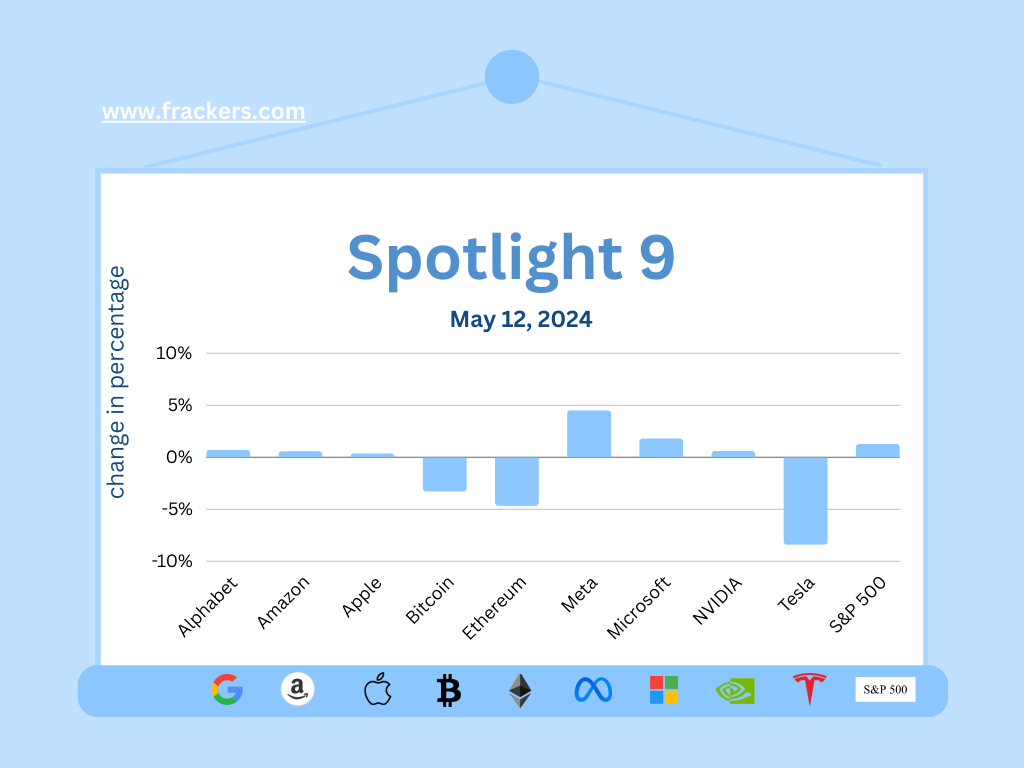
Vorige week was de slechtste week ooit voor tech-aandelen. De Magnificent 7, Apple, Alphabet, Meta, Nvidia, Tesla, Microsoft en Amazon, verloren samen

$1.6 biljoen aan beurswaarde. Deze week boekte de groep na bekendmaking van de dètente in de tarievenoorlog hun grootste wekelijkse winst ooit: $1.2 biljoen. Grootste gevolg van deze beurs-pingpong: nerveuze beleggers en verhoogde kans op recessie.

Het lijkt nog steeds alsof deze grafiek ondersteboven is afgebeeld; was het maar waar.

Onder de grotere tech-bedrijven is Palantir een witte raaf, met een stijging van 17% dit jaar en liefst 304% over de laatste twaalf maanden. De Nasdaq staat dit jaar op -13,4% waarbij Tesla in het oog springt met 38% verlies sinds 1 januari.

Laat op vrijdagavond sloot de Amerikaanse regering smartphones, computers, geheugenchips en andere elektronica uit van de zogenaamd “wederkerige tarieven” op China, wat tot opluchting moet hebben geleid in heel Silicon Valley.

Ooit was crypto een tegenhanger van de reguliere beurzen, maar das war einmal.

Ook crypto viel ver terug na alle stijgingen van vorig jaar, waarbij de dalingen groter worden uitgelicht in de media. Bitcoin (-11%) is veel minder volatiel geworden; de Nasdaq Composite daalde dit jaar meer (13%) maar ook dat komt zelden naar voren in analyses.

Verder kijken dan de slotkoersen

Wie goed kijkt ziet onder die oppervlakte van dag- en weekkoersen iets heel anders, maar in alle retoriek over handelstarieven hoor je daar vrijwel niets over. Daarom focus ik deze week op belangrijk nieuws dat onder de radar bleef, waarbij vooral opviel dat AI-bedrijven een topweek beleefden:

  • OpenAI haalt $40 miljard op en denkt aan overname van de “iPhone-killer met AI” van Apple-legende Jony Ive
  • Nieuwe AI-startups van voormalige OpenAI topmensen Mira Murati en Ilya Sutskever halen elk $2 miljard op
  • Stanford-rapport: AI wordt sneller, goedkoper en groener, maar worstelt nog steeds met complexe redeneringen

OpenAI scoort $40 miljard, koopt hardware startup van Apple-legende?   

Op een Spartaanse webpagina meldde OpenAI dat het in een nieuwe investeringsronde $40 miljard heeft opgehaald, op een duizelingwekkende waardering van $300 miljard. Ter vergelijking: Facebook ging ooit naar de beurs op een waardering onder de $100 miljard terwijl het miljarden winst maakte, terwijl OpenAI miljarden per jaar verliest. Niemand weet nog hoe OpenAI ooit in deze waardering gaat groeien, of zoals het altijd droogjes luidt in de Valley: ’there is no clear path to profitability.’

Het geld brandt OpenAI CEO Sam Altman blijkbaar in de zak, want het gerucht gaat dat OpenAI in gesprek is om voor $500 miljoen het bedrijf io Products over te nemen, een startup van Jony Ive, de weduwe van Steve Jobs, Laurene Powell Jobs en… Sam Altman. Een hele nieuwe vorm van vestzak-broekzak.

Details zijn schaars, maar doel van io Products schijnt te zijn om een AI-apparaat te ontwikkelen dat “minder sociaal ontwrichtend is dan de iPhone.” Het meest boeiend vind ik dat het apparaat schermloos zou moeten worden, wat direct de vraag oproept hoe de gebruiker er dan mee moet communiceren; spraakgestuurd?

Vorig jaar schreef ik uitgebreid over LoveFrom, de studio van Jony Ive in San Francisco, die lekker begon door voor $60 miljoen een theater over te nemen, waar nu blijkbaar io Products uit is voorgekomen.

ex-OpenAI topmensen halen ook miljarden op

Voormalig OpenAI CTO Mira Murati, die er ook nog een wild weekend CEO was (het waren twee fantastische dagen), wil $2 miljard ophalen op een waardering van $10 miljard dollar voor haar nieuwe bedrijf met typemachine-achtige website Thinking Machines Lab. De omschrijving van het bedrijf in het profiel op X verdient ook vermelding: “thinking, beeping, and booping.” Murati scoorde deze week door voormalig Chief Research Officer van OpenAI Bob McGrew als adviseur aan te trekken.

Murati zal met verwondering hebben gekeken naar haar ex-collega Ilya Sutskever, medeoprichter van OpenAI, die deze week een tweede miljard binnenhaalde voor zijn nieuwe AI-bedrijf SSI op een drie keer zo hoge waardering als Murati: $32 miljard. Investeerders zijn ondermeer Alphabet (Google) en Nvidia.

Bijzonder is dat SSI de nieuwe tensor processing units (TPU’s) van Alphabet zal afnemen, terwijl die juist zijn ontwikkeld als concurrent van Nvidia. Helaas lezen we er niets over op de website van SSI, die nog mistroostiger is dan die van Murati’s Thinking Machines Lab. Beide bedrijven zien de toekomst blijkbaar kleurloos in.

Het succes van Sutskever onderstreept de bijna mythische kwaliteiten die hem in tech-kringen worden toegeschreven. Ik schreef een jaar geleden dat Sutskever de reden is dat Elon Musk en Google-oprichter Larry Page hun vriendschap verbraken, toen Musk erin slaagde Sutskever te recruteren voor OpenAI.

Onderzoek bevestigt: AI wordt beter

Leestip voor iedereen die interesse heeft in AI: het 2025 AI Index Report van Stanford University. AI wordt sneller, goedkoper, groener en beter. Dat mag ook wel, gezien de tientallen miljarden die in AI worden geinvesteerd, maar toch fijn om te zien dat het ergens toe leidt. Dit zijn de belangrijkste conclusies:

  1. Benchmarkprestaties stijgen explosief. AI-modellen boeken enorme vooruitgang op waarbij sommige agents mensen zelfs overtreffen in programmeertaken.
  2. AI is overal. Van robotaxi’s in China tot Amerikaanse ziekenhuizen, AI maakt nu deel uit van het dagelijks leven.
  3. Bedrijven zetten zwaar in op AI, investeringen in de VS bereikten $109 miljard in 2024; 78% van de bedrijven gebruikt inmiddels AI, tegenover 55% een jaar eerder.
  4. VS leidt in aantal modellen, China loopt in op kwaliteit. De VS bouwt de meeste modellen, maar China haalt snel in qua prestaties en domineert in patenten en publicaties.
  5. Verantwoorde AI blijft achter. Ondanks een toename in AI-incidenten voeren maar weinig bedrijven formele veiligheidscontroles uit. Overheden houden wel meer toezicht.
  6. Wereldwijd groeit het optimisme. Landen zoals China en Indonesië omarmen AI, terwijl er in de VS en Europa meer scepsis blijft bestaan.
  7. AI wordt goedkoper en duurzamer. Het draaien van GPT-3.5-niveau AI kost nu 280 keer minder dan in 2022, dankzij betere hardware en open modellen.
  8. Overheden grijpen in. Van Canada tot Saoedi-Arabië groeit de publieke AI-investering snel, samen met een golf aan nieuwe regelgeving.
  9. Onderwijs breidt uit, maar ongelijkheid blijft. Computeronderwijs groeit vooral in Afrika en Latijns-Amerika, maar toegang en lerarenvoorbereiding verschillen sterk.
  10. Industrie domineert grensverleggende AI. 90% van de toonaangevende modellen komt uit het bedrijfsleven, al slinkt het verschil in prestaties snel.
  11. AI krijgt wetenschappelijke erkenning. Doorbraken in AI leverden twee Nobelprijzen en een Turing Award op.
  12. Redeneren blijft lastig. AI blijft zwak op logische taken, wat de betrouwbaarheid in risicovolle toepassingen beperkt.

Voor wie zich afvraagt hoe AI concreet kan worden gebruikt in een organisatie publiceerde NXTLI vrijdag een helder overzicht. Voor wie liever luistert dan leest is er nu ook een Nederlandse podcast over AI en leiderschap.

NFA Podcast afl. 11: Het positieve nieuws dat je miste terwijl de markten instortten

Aflevering 11 van de NFA Podcast, voor Nish, Frackers & alle anderen, is hier te zien of beluisteren:

Nish en ik begonnen met de achtbaanweek in crypto en techaandelen, waarbij Nish uitlegt uit hoe de meme coin-machine Pump.fun vastloopt, terwijl ik griezelverhalen deel uit eerdere crashes, waaronder de dag dat Alexander Klöpping en ik een artikel op 925 begonnen met de kop ‘CEO Broadcom ontslagen’ en eindigden met de clickbait ‘CEO bouwt seksgrot.’ Maar het was wel waar. Verder:

  • Hoe voormalige OpenAI topmensen miljarden ophalen voor hun AI-startups
  • Binance-oprichter CZ gaat Pakistan en Kirgizië adviseren over blockchainadoptie
  • Trumps pro-crypto SEC-kandidaat wordt goedgekeurd
  • De rechtszaak tussen de SEC en Ripple wordt geschikt
  • Europa en China flirten over elektrische auto’s als tegenzet tegen de Amerikaanse tarieven
  • De Britten zouden als beloning voor Trump weleens met chloorkip kunnen eindigen

De aflevering eindigt met voorspellingen: Frackers voorziet een voorzichtige marktherstel, Nish gokt op zijwaarts. Maar beiden blijven op lange termijn optimistisch.

Serie over mislukte startups

The Wall Street Journal startte een serie over startup-mislukkingen. Acht bedrijven, van Theranos tot obscure dotcoms die veel geld ophaalden, snel groeiden en spectaculair instortten. De gemene deler was dat geen van de startups een product had dat werkte. Of geen markt. Of allebei niet. In tijden van AI-hype een nuttige reminder: veel funding is geen validatie.

Citaat van de week

Filmmaker Quintin Tarantino:

“Jouw taak is niet om alles zelf te bouwen, maar om een visie te hebben. De echte magie ontstaat wanneer je getalenteerde mensen inschakelt die jouw tweedimensionale idee tot leven brengen in drie dimensies.” 

Het zou interessant zijn als de Wall Street Journal ook een serie zou maken over bedrijven die succesvol werden met het volgen van deze aanpak, in plaats van de mannetjesmakerij die we vaak zien in de technologie-wereld.

Dank voor de belangstelling, tot volgende week!

Categorieën
AI beleggen crypto NFT's technologie

Zesduizend miljard beurswaarde verdampt, ook crypto zwaar gedaald

Wereldwijde markten in vrije val door handelsoorlog

De Wall Street Journal blonk de afgelopen dagen uit in sobere, feitelijke berichtgeving maar kon niet voorkomen dat in het uitstekende samenvattende artikel over de gevolgen van de Trump-tarieven, toch totale paniek doorklonk. Een bloemlezing:

  • Er zijn momenteel veel verwarde, angstige en boze mensen,” aldus Steve Sosnick, hoofdstrateeg bij Interactive Brokers.
  • We zitten in een periode van zelf veroorzaakte braakneigingen, dat is de beste manier waarop ik kan samenvatten wat er deze week is gebeurd,” stelde Callie Cox, hoofdmarktstrateeg bij Ritholtz Wealth Management.
  • „Ik weet niet eens zeker of we ooit eerder zoiets gedaan hebben, de situatie escaleerde zo snel,” zei Adam Phillips, algemeen directeur bij EP Wealth Advisors.

Phillips had zijn klanten had gewaarschuwd voor een onrustig 2025, nadat de S&P 500 twee uitzonderlijk sterke jaren achter de rug had. Toch had niemand, inclusief hijzelf, deze uitverkoop zien aankomen. Toen nerveuze klanten deze week geruststelling nodig hadden, haastte hij zich om een video op te nemen. Zijn boodschap: “handel niet impulsief.”

Je vraagt je af tot wie Phillips zich richtte met zijn oproep, in de week dat een eiland waar alleen pinguins leven werd geconfronteerd met een handelstarief van tien procent wanneer de pinguins het in hun kruintjes halen om iets naar de Verenigde Staten te exporteren.

Zesduizend miljard dollar verdampt

Deze grafiek is niet ondersteboven; dit zijn de koersen van de Big Tech-aandelen sinds 1 januari 2025. Tot zover de ‘Trump-bump.’

Nadat China reageerde op de Amerikaanse heffingen beleefden internationale financiële markten deze week hun zwartste dagen sinds maart 2020. De Nasdaq en Dow Jones kelderden ruim 5 procent, wat leidde tot meer dan $6 biljoen (zesduizend miljard dollar) verlies aan marktwaarde binnen twee dagen.

Tesla trekt veel aandacht met een koersdaling van 41% dit jaar, maar chipmaker Broadcom blijft niet ver achter met een daling van 37%. De acht Big Tech-bedrijven Broadcom, Amazon, Tesla, Meta, Microsoft, Apple, Alphabet (Google) en Nvidia, samen BATMMAAN genoemd, verloren dit jaar gemiddeld 26% aan beurswaarde.

Door de plotselinge beursval zijn beursintroducties van bedrijven zoals kaartjesmarktplaats StubHub en fintechbedrijf Klarna uitgesteld. Internationaal verloor de Japanse Nikkei 225-index deze week negen procent, terwijl de Europese Stoxx Europe 600 met acht procent daalde. Beide indices noteerden hiermee hun grootste wekelijkse procentuele daling sinds maart 2020, toen wereldwijd het besef doorbrak dat de Covid-pandemie eerder jaren dan maanden zou duren.

Voorbeeld: de kostprijs van een iPhone 16

Bron: Wall Street Journal

Een goed voorbeeld van de gevolgen van de handelstarieven voor technologie-producten is de kostprijs van de iPhone 16. De productiekosten van Apple’s goudmijntje zouden door de nieuwe importheffingen stijgen van $580 naar ongeveer $850. Zonder prijsverhogingen zou Apple’s winstmarge sterk dalen, daar houden ze niet van in Cupertino, dus in dit scenario gaat de verkoopprijs van de iPhone 16 van $1.100 naar $1.700 dollar.

De recente maatregelen van president Trump zorgen voor grote aarzeling bij bedrijven om te investeren in nieuwe technologieën. Datacenterclub CoreWeave zal blij zijn dat het nog net op tijd de beursgang haalde, al is het voor bijna een kwart minder aandelen en tegen een veel lagere prijs dan verwacht. Het aandeel CRWV steeg de afgelopen week vrijwel als enige en liefst met 25%, waarschijnlijk door het bericht dat Google infrastructuur wil huren bij CoreWeave.

Et tu, crypto?

De tijd dat crypto een veilige haven was wanneer de ‘gewone economie’ in problemen kwam, is definitief voorbij. Crypto daalde dit jaar meer dan Big Tech.

Zelfs crypto kreeg een opdonder van de tarievenoorlog, al leek XRP nog na te genieten van het nieuws dat de SEC onder Trump afziet van de rechtzaak tegen XRP en het gelieerde bedrijf Ripple. Toch klinken er uit de ‘TradFi’ steeds meer serieuze geluiden die in lijn liggen met de gedachte van het hoofd research van Grayscale, die verwacht dat Bitcoin zal profiteren van een zwakkere dollar:

„Ik denk dat tarieven de dominante rol van de dollar zullen verzwakken en ruimte zullen creëren voor concurrenten, waaronder Bitcoin. Op korte termijn zijn de prijzen gedaald, maar de eerste maanden van de Trump-regering hebben mijn overtuiging versterkt dat Bitcoin op langere termijn een belangrijke mondiale monetaire rol zal spelen.”

Bitcoin is deflatoir, heeft een voorspelbaar aanbod en wordt vaak aangeduid als „digitaal goud”. Daarom kunnen investeerders Bitcoin (en andere cryptovaluta’s) zien als een veilige manier om hun vermogen te behouden in deze extreme tijden van economische en politieke onzekerheid.”

Klinkt niet onlogisch.

OpenAI haalt $40 miljard op, $300 miljard waard

Het nieuws sneeuwde onder in al het tarievengekletter, maar OpenAI vond SoftBank bereid om een groep investeerders te leiden die $40 miljard in het bedrijf pompen, waarmee de waardering van de maker van ChatGPT oploopt naar $300 miljard. Het geld zal gebruikt worden om AI-onderzoek te versnellen en infrastructuur uit te breiden, ofwel datacentercapaciteit en servers in te kopen, onder andere in het megalomane Stargate-project.

Bij OpenAI is het onder Sam Altman altijd een kwestie van ‘een stap vooruit, dan een pirouette en misschien een halve stap achteruit.’ Want OpenAI ziet in 2025 weliswaar een enorme stijging van abonnees en omzet, maar tegelijkertijd blijft er grote twijfel bestaan over de houdbaarheid van het verdienmodel, vooral omdat goedkoper opererende concurrenten, met name DeepSeek, vrijwel vergelijkbare prestaties leveren tegen lagere kosten. Hoe gaat OpenAI dan ooit winst maken, zelfs bij een nog steeds snelgroeiende markt?

Daarbij blijven vragen bestaan over hoe OpenAI zijn trainingsdata verzamelt, vooral vanwege mogelijke inbreuken op auteursrecht, zoals deze week opnieuw bleek uit nieuw onderzoek. De concurrentie neemt intussen toe op de lucratieve zakelijke markt met nieuwe spelers, zoals Open Deep Search, wat de druk op OpenAI nog verder vergroot.

Elon Musk fuseert X en xAI in ongebruikelijke megadeal

We zouden het bijna vergeten: Elon Musk combineert zijn X, het voormalige Twitter, met zijn AI-bedrijf xAI. Volgens de boekhouders betaalt xAI voor X $33 miljard, want hoewel X eigenlijk $45 miljard waard is zit er nog S12 miljard schuld in van de overname van X door Musk in 2022, toen X nog Twitter heette. Volgt u het nog? Deze ongebruikelijke megadeal creëert zo een onderneming, xAI, om het helder te houden, met een waardering van meer dan $110 miljard.

Normaal gesproken zou ik nu allerlei flauwe grappen maken over de verliezen van X en xAI en vragen stellen over die waardering van ruim $100 miljard, maar als OpenAI $300 miljard waard is in de week dat er op Wall Street zesduuzend miljard verdampt in 48 uur, begin ik aan ieders verstandelijke vermogens te twijfelen, inclusief die van mezelf. Dus ik zwijg deemoedig.

Midjourney lanceert v7, nieuw AI-beeldmodel

Boven alle twijfel verheven is Midjourney, al is het alleen vanwege het feit dat deze fenomenale technologie in tegenstelling tot ChatGPT van OpenAI, is ontwikkeld zonder een cent van investeerders. Hoe dat kan is volslagen onduidelijk, maar de resultaten zijn schitterend. Trouwe lezers van deze nieuwsbrief zien hier vaker plaatjes die in een paar minuten met de wonderlijke beeldenkoker kunnen worden gemaakt.

De nieuwste versie heet Midjourney v7 en is de eerste significante update in bijna een jaar. De release volgt vlak op een vergelijkbare lancering genaamd Dall-E 3 van concurrent OpenAI. Wel apart: zelfs als betalende abonnee van Midjourney moet je eerst 200(!) foto’s rangschikken die v7 je voorschotelt, alvorens je het genoegen mag smaken om de beeldmaker te gebruiken.

NFA Podcast: Marktcrash, NFT-shift en Binance-oprichter is terug

In aflevering 10 van de NFA Podcast bespreken dr. Nisheta Sachdev en ondergetekende de extreem volatiele marktweek, gedomineerd door handelsoorlogen en grote verliezen bij techaandelen en cryptovaluta. Hoewel de NFT-verzamelaarsmarkt is ingestort, zien we toekomst voor functionele NFT-technologie binnen andere smart contracts.

Aflevering 10 van de NFA Podcast is hier te zien of te horen

Ja, ook dit plaatje werd gemaakt met AI; de Trump in het midden is werk van Dall-E. Mijn wenkbrauw is geheel naturel. Over die van Nish twijfel ik.

* Op YouTube

* Op Spotify

* Op Apple Podcasts

* Op Substack

Daarnaast behandelen we nut of onzin van groeistrategieën zoals airdrops en bespreken we Binance-oprichter CZ’s nieuwe rol als blockchain-adviseur van Kirgizië. Ook blikken we vooruit op de komende week in technologie en Web3 en raar maar waar; we zijn allebei gematigd optimistisch.

In ander opvallend nieuws

Een opvallende studie toont aan dat sterftecijfers onder welvarende Amerikanen vergelijkbaar zijn met die van arme Europeanen. Rijke Europeanen blijken zelfs aanzienlijk lagere sterftecijfers te hebben dan hun Amerikaanse tegenhangers, wat vragen oproept over de Amerikaanse gezondheidszorg en leefstijlfactoren. Er is helaas niet gekeken naar causaliteit met stemgedrag.

Een paar jaar geleden werd een Amerikaanse missionaris gedood door een geïsoleerd levende stam op een eiland in de Indische Oceaan. Dus wat dacht een bijdehante influencer afgelopen week: ‘daar moet ik heen, dan krijg ik volgers.‘ Na zijn arrestatie wijzen mensenrechtenorganisaties voor de negatieve impact van influencers op geïsoleerde stammen. In veel steden wordt juist gehoopt op meer naar afgelegen eilanden vertrekkende influencers.

Het was niet alleen slecht nieuws deze week: wetenschappers hebben innovatieve cyborg-kakkerlakken ontwikkeld die effectief kunnen worden ingezet bij reddingsoperaties na aardbevingen. Deze gemodificeerde insecten blijken zeer effectief bij het lokaliseren van slachtoffers onder puin, wat levensreddend kan zijn bij natuurrampen. Cynici wijzen op het feit dat het kleine camera’s lijken die op hele grote kakkerlakken worden gelijmd, maar feit blijft dat die beestjes zo nuttig werk doen.

Dank voor de belangstelling, tot volgende week!

Categorieën
AI beleggen crypto technologie

Oproep aan Apple CEO Tim Cook om op te stappen

Apple ligt onder vuur met een felheid die het deze eeuw nog niet heeft beleefd. Het begon eerder deze maand met een scherpe analyse van John Gruber getiteld ‘Er is iets verrots in de staat Cupertino‘, verwijzend naar het hoofdkantoor van Apple. Gruber sloeg zich publiekelijk voor de kop dat hij niet had zien aankomen dat Apple de invoering van “gepersonaliseerde Siri”, ofwel een diepe integratie van AI-toepassingen met alles wat een iPhone en een Mac kunnen doen, met minimaal een jaar uitstelt.

Het bleek de aftrap van een waar spervuur aan kritiek, vooral gericht aan het adres van Apple CEO Tim Cook. Zelfs van zeer gerenommeerde analisten zoals voormalig journalist, nu venture capitalist, Stewart Alsop; en van MG Siegler, ook een voormalig journalist die vc werd maar gelukkig weer is gaan schrijven.

Tel daarbij op dat de zeer invloedrijke YouTuber Marques Brownlee, die bij Apple de rode loper krijgt uitgerold voor 1 op 1 interviews met Tim Cook, ook flink los ging en de conclusie is gerechtvaardigd dat Cook zich kan opmaken voor een gevecht om zijn baan. De financiële analisten volgen immers doorgaans de beter geïnformeerde tech-journalisten en die halen hun nieuws en inzichten op hun beurt vaak bij bloggers.

Tim Cook worstelt met het integreren van AI in Apple producten, maar moet je daarom met pensioen?
Beeld gemaakt met Midjourney

Apple heeft drie problemen

In de kern draait de kritiek om drie fundamentele kwesties: ten eerste het ontbreken van een duidelijke AI-strategie, waardoor Apple achterblijft met kunstmatige intelligentie in zijn productlijn; ten tweede het uitblijven van succesvolle nieuwe producten sinds introductie van de Apple Watch precies een decennium geleden; en ten derde de groeiende zorgen over de dienstenafdeling, zoals Apple TV Plus, dat jaarlijks een miljard dollar verlies lijdt in plaats van pakweg vijf miljard winst zoals Netflix. Uitgerekend het bedrijf dat Apple een paar geleden weigerde te kopen, omdat services-baas Eddie Cue niet geloofde in het Neflix-model van geld lenen om content en marktaandeel te kopen. Oeps.

“Beste Tim Cook, is het tijd om met pensioen te gaan?”

Stewart Alsop weet als voormalig journalist dat een lekker stuk vraagt om een vlotte openingszin, die dan ook luidt: ‘Meneer Cook, ik denk dat u een plan in werking moet stellen om een opvolger te zoeken.’ Alsop lijkt bijna persoonlijk beledigd dat Apple de grootse aankondigingen van Apple Intelligence niet waar kan maken en rept zelfs over ‘vaporware’, de grootst mogelijke belediging aan het adres van een technologiebedrijf.

Zijn teleurstelling over het niet nakomen van een door Apple gedane belofte lijkt gemeend: “Apple liet zien dat het wist hoe het mijn persoonlijke gegevens, zowel opgeslagen op het apparaat als in iCloud, kon gebruiken om mijn leven een stuk makkelijker te maken. Ik kon niet wachten om te vragen: “Siri, wanneer komt mijn dochter aan op het vliegveld?” of “Siri, wie was die man met wie ik twee weken geleden koffie dronk?” (…) Alles wat ik ooit heb gewild sinds de iPhone bestaat, is dat mijn telefoon weet wat het met mijn gegevens moet doen.”

Er is weinig in te brengen tegen Alsops analyse, die even kruidig afsluit als hij begon met zijn oproep aan Tim Cook om met pensioen te gaan:

“U lijkt een stap terug te doen in plaats van vooruit. Het is tijd om het roer over te dragen aan een kapitein die dit volgende technologische tijdperk aankan. Ik denk niet dat die persoon zich bevindt binnen het huidige team van zorgvuldig samengestelde topmensen, precies omdat u dat team hebt gebouwd om het maximale uit de vorige technologische revolutie te halen. Misschien is het tijd om de raad van bestuur te vragen om uw opvolger te benoemen, zoals Microsoft deed toen Satya Nadella werd aangesteld.”

Het verwijt dat Apple vorig jaar loze beloftes heeft gedaan is dermate elementair, dat Alsop bewust Microsoft als voorbeeld stelt aan een Apple CEO: pijnlijker kan niet.

AI-problemen en juridisch gedoe

Marques Brownlee uitte gisteren in een video zijn zorgen over Apple met een minstens even fruitige openingszin als Alsop: “Groot bedrijf mist enorme technologische omslag, past zich niet aan, raakt achterop, herstelt zich nooit en sterft.” Een tekst die nog geen jaar geleden onvoorstelbaar was als het over Apple ging.

Brownlee geeft feature voor feature aan hoe beperkt de AI-kwaliteiten zijn van Apple’s nieuwste software. Zijn betoog sluit aan bij een recente rechtszaak waarin Apple wordt beschuldigd van valse reclame rond toekomstige Siri-upgrades die nooit zijn verschenen. Volgens de aanklacht “hallucineerde” Apple nieuwe functies in de reclames en promopraatjes, waardoor mensen producten kochten waarvan Apple allang wist dat ze niet aan de geschapen verwachtingen konden voldoen. Een door Apple teruggetrokken commercial die Brownlee toont is zelfs schrijnend om te zien.

Toch is Brownlee minder uitgesproken dan Alsop. Hij wijst erop dat nog niet duidelijk is of AI daadwerkelijk zo fundamenteel is, dat falen op dat gebied de gehele toekomst van Apple aan het wankelen zou brengen.

Apple in diensten matig tot slecht

De derde analist die zich deze week roerde over Apple was MG Siegler, ooit bij Techcrunch berucht vanwege zijn scherpe pen. Siegler richtte zich specifiek op Apple’s streamingambities, die naar verluidt een verlies van een miljard dollar op Apple TV Plus opleverden in het afgelopen jaar.

Ondanks forse investeringen in originele content en samenwerkingen met de grootste filmsterren, slaagt Apple er niet in om te concurreren met giganten als Netflix en Disney. Er heerst nu ook verwarring rond Apple’s podcaststrategie, omdat Apple TV Plus Podcasts (wat een naam) wordt uitgerold naast het bestaande Apple Podcasts-platform.

Siegler betwijfelt ook of de beschikbaarheid van Apple TV+ op niet-Apple apparaten wel heeft bijgedragen aan Apple’s hardwareverkoop en wijst op Apple’s distributieproblemen van speelfilms, zoals rond de film “Wolfs” met George Clooney en Brad Pitt. Filmmarketing blijkt een totaal ander vak dan pakweg computer- en telefoon-marketing, waardoor de bekende kloof tussen Silicon Valley en Hollywood opnieuw zichtbaar werd.

Op televisiegebied ziet Siegler dat Apple TV+ wel successen heeft geboekt met series als “Ted Lasso” en “Severance.” Hij eindigt, en dat is iets wat leuker is aan zelfstandige analisten dan traditionele journalisten, zelfs met aanbevelingen aan Apple:

  1. Maak enkele grote films per jaar, maar kies zorgvuldig en zet zwaar in op Hollywood-marketing. De Formule 1-film met Brad Pitt deze zomer wordt de vuurdoop.
  2. Andere films krijgen strategische, beperkte releases, bijvoorbeeld in awardseizoenen, om buzz op te bouwen voor streaming.
  3. Behoud de hoge kwaliteit van tv-content. Breng de uitgaven in lijn met de industrie, zodat Apple geen toevluchtsoord wordt voor middelmatige projecten van grote namen.
  4. Maak de content beschikbaar op meer apparaten: consumenten kopen geen aparte doos van $130 (de Apple TV), zelfs als die goed is.
  5. Bied de mogelijkheid om Apple TV+-abonnees op andere platformen (zoals Amazon Prime Channels of Android) later over te zetten naar Apple One zodra ze een Apple-apparaat gebruiken, zels als dat geen garantie is voor hardwareverkoop.
Wie alleen de dagkoersen volgt, zal verbaasd zijn dat Tesla en Apple de best presterende Big Tech-aandelen waren van de laatste twaalf maanden.

De cijfers van Apple onder Cook

Alles aan Apple wordt in twijfel getrokken, waarbij te gemakkelijk over het hoofd wordt gezien dat de integratie op hardware-gebied fenomenaal is geweest. Onder Cook heeft Apple een verticale integratie doorgemaakt zoals zelden of nooit vertoond, waardoor het zowel in de Macs als in de iPhones chips gebruikt die het zelf ontwerpt, in tegenstelling tot vrijwel de gehele computerindustrie en telefoonsector.

Je hoeft alleen maar te kijken naar de droevige prestaties van Intel, tot voor kort de leverancier van Apple’s chips, zowel op technologisch gebied als qua aandeel. Apple’s netto winstmarges zijn sinds 2020 gestegen van 21% richting 25%.

Dan het aandeel: stel, je had op de dag dat Tim Cook aantrad als CEO van Apple, op 24 augustus 2011, voor duizend dollar aandelen Apple gekocht, dan zouden die vandaag bijna negentienduizend dollar waard zijn, wat neerkomt op een indrukwekkend rendement van ongeveer 1800%. Dat komt door een combinatie van de sterke koersstijging van het Apple-aandeel in deze periode en het effect van aandelensplitsingen in 2014 en 2020, mits je consequent het dividend had geherinvesteerd in Apple-aandelen.

Hoewel deze analyse ervan uitgaat dat herinvestering onmiddellijk plaatsvond tegen de slotkoers op de dividenddatum, wijst de algemene trend duidelijk op een zeer succesvolle belegging over de ‘regeerperiode’ van Cook.

Onder Jobs dezelfde problemen

In de kern kunnen worden de problemen bij Apple kort worden samengevat: het bedrijf is fantastisch in hardware en in besturingssystemen, maar het is slecht in het ontwikkelen en exploiteren van diensten op deze hardware. Dit is geen recent probleem van Apple, sterker nog: de beroemdste uitbarsting die Steve Jobs deze eeuw had, ging over de mislukte introductie in 2008 van MobileMe, de gewraakte voorloper van iCloud.

Voor wie het verhaal niet kent, Jobs vroeg het team: “Kan iemand mij vertellen wat MobileMe zou moeten doen?” Toen een paar mensen begonnen aan een antwoord, snauwde Jobs: “So why the fuck doesn’t it do that?” En ontsloeg de leider van het team. Zijn opvolger werd… Eddy Cue, de man die 17 jaar later grote problemen heeft om de streamingdiensten van Apple winstgevend te krijgen.

Ook Google in existentiële nood

Apple is niet de enige techgigant die momenteel in het verdomhoekje zit. In “De middelmatigheid van het moderne Google” beschrijft Om Malik dit weekend hoe Google is afgegleden van innovatief leider naar een bedrijf gekenmerkt door middelmatigheid en interne verlamming.

Malik wijst erop dat Google’s kernproducten, zoals Search, steeds meer worden overspoeld met AI-gegenereerde content en advertenties, wat de gebruikerservaring schaadt. Google’s AI-initiatieven zoals Gemini 2.5 en AI Studio vallen volgens hem in het niet bij de innovaties van OpenAI en Anthropic, vooral qua gebruikersvriendelijkheid.

Hij citeert een paper uit 1998 van Google’s oprichters Larry Page en Sergey Brin, waarin al wordt gewaarschuwd voor de nadelen van een reclamegedreven model. Google is inmiddels vervallen in precies die valkuilen, waarbij adverteerders belangrijker lijken dan gebruikers.

Aardig is dat Malik verwijst naar een stuk dat hij al schreef in 2011 over Google, getiteld “Kan Google zichzelf redden van Google?”. Hierin zette Malik drie groeifases van techbedrijven uiteen. In fase één richt een bedrijf zich op het ontwikkelen van technologie en het vinden van een verdienmodel.

De volgende fase draait om het opschroeven van de inkomstenmachine. Daarbij volgt vaak een grote wervingsgolf van personeel om de groei te ondersteunen. In fase drie gaan bedrijven op zoek naar nieuwe groeigebieden. Ze worden groter en logger.

“Technologische zelfveroudering”

Volgens Malik bevindt Google zich nu diep in fase drie, waar interne politiek en procesmanagement de overhand hebben gekregen ten koste van productinnovatie. Het bedrijf is naar binnen gericht en focust veel op zijn eigen bureaucratie, meer dan op het verleggen van technologische grenzen.

Malik wijst erop dat “technologische zelfveroudering” een effectievere functie vervult dan welke overheidsinstantie dan ook: “Google, ondanks zijn marktwaarde van een biljoen dollar en infrastructuurvoordelen, loopt het risico om als eerste megacap irrelevant te worden nu het internet zich verder ontwikkelt voorbij het “tien blauwe links”-paradigma dat het ooit groot maakte.”

“Altcoins zijn een stoelendans”

In aflevering 9 van de NFA Podcast begint Nish met ondergetekende “TradFi Chad Guy” te noemen, waarna we de laatste headlines in crypto en tech bespreken.

* Op Youtube

* Op Spotify

* Op Apple Podcasts

* Op Substack

We bespreken de marktinzichten van Meltem Demirors, die de altcoinmarkt omschrijft als een “spelletje stoelendans”: het marktvolume en de totale marktwaarde zijn terug op het niveau van eind 2020. Daarna volgt een analyse door Nish van het Hyperliquid-drama, waar marktmanipulatie rond de Jelly-token bijna tot een verlies van $240 miljoen leidde. Ze legt uit hoe het ontbreken van KYC in DeFi zowel risico’s als vrijheid met zich meebrengt.

In TradFi-ontmoet-crypto nieuws daalde GameStop’s aandeel met 8% na de aankondiging van een Bitcoin-koop van $1,3 miljard via aandelenuitgifte, waarop niemand zat te wachten. Ook worden momenten van eerdere conferenties besproken, zoals Murad’s meme coin-praatje op Token2049, en ontmoetingen met crypto-denkers als Meltem Demirors.

Nish bespreekt verder World Mobile, een gedecentraliseerde telco met tokenized eigenaarschap van zendmasten en datanetwerken in achtergestelde gebieden.

Aan de techkant ga ik in op Apple’s problemen. Het is m.i. te vroeg om Cook af te rekenen op een strategische fout op het gebied van AI-beleid, gezien zijn uitmuntende prestaties sinds hij CEO werd in 2011.

Drie redenen waarom Cook niet weg moet

De door mij eerder aangehaalde analisten, waarvan ik groot fan ben, vergeten te vermelden dat het nog totaal onbewezen is dat AI in de vorm van LLM’s, waarin op dit moment honderden miljarden per jaar wordt geïnvesteerd, de juiste strategie is. Drie overwegingen:

  1. AI via LLM’s heeft een extreem hoge kostenstructuur: De ontwikkeling en inzet van geavanceerde AI-modellen vereist enorme rekenkracht, vaak op basis van gespecialiseerde GPU-infrastructuur. De operationele kosten voor het trainen, hosten en schalen van deze modellen bedragen jaarlijks miljarden dollars.
  2. Onzeker en gefragmenteerd verdienmodel: Er is momenteel geen duidelijk bewezen businessmodel dat op grote schaal rendabel is voor AI-bedrijven. De inkomsten komen voornamelijk uit API-verkoop, premium abonnementen of zakelijke licenties, maar het is nog onduidelijk of deze inkomsten in de toekomst structureel opwegen tegen de uitgaven. Veel van de technologie wordt bovendien snel gemeengoed, niemand heeft een onoverbrugbaar voordeel, waardoor marges onder druk komen te staan. Denk aan de opkomst van DeepSeek, dat tegen de prijs van een Fiat de prestaties levert van een Ferrari. Dat is vervelend als je tientallen miljarden in iets hebt gestopt, waarvan je nog maar moet hopen dat het een Ferrari blijkt.
  3. Zware afhankelijkheid van externe financiering en partnerships: Zowel OpenAI (met Microsoft) als Anthropic (met Amazon en Google) draaien nog grotendeels op externe investeringen en strategische deals. Deze investeringen zijn vaak niet gebaseerd op huidige winstgevendheid, maar op speculatie over toekomstige dominantie. Zolang er geen duidelijk pad is naar operationele winst, blijft deze strategie erg onzeker.

Daar komt nog bij dat ook andere big tech-bedrijven zoals Microsoft, Meta, Amazon en Oracle tientallen miljarden dollars investeren in AI zonder enig uitzicht op winst uit die initiatieven. Hun aandelen worden ook zwaarder gestraft dan Apple, toch niet onbelangrijk. Want met die aandelen kan Apple straks de mogelijk benodigde overnames betalen op AI-gebied, nog los van de door de hoge winstmarges rijkelijk gevulde oorlogskas.

Wat Cook valt aan te rekenen, is vooral die gladde PR-prietpraat van vorig jaar dat Apple met Apple Intelligence het wel even allemaal zou laten zien. Maar de kans is groot dat juist niks doen en afwachten welke voor Apple noodzakelijke speler er straks voor weinig op de kop kan worden getikt, de beste strategie is. Soms kun je beter op je handen zitten, dan op de blaren.